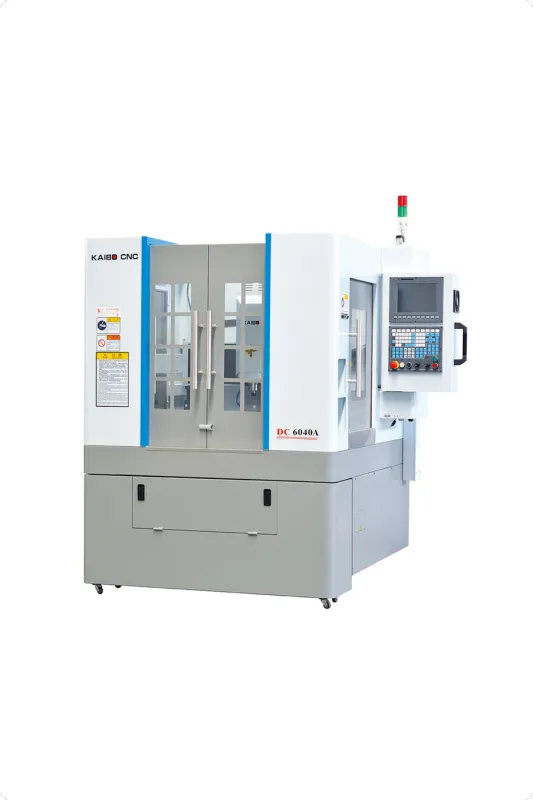
Kaibo CNC
Selecting the right vertical machining center is not only about adding more axes. It is about matching machine capability with part geometry, precision requirements, production rhythm, and budget. At Ningbo Kaibo CNC Machinery Co., Ltd., we focus on practical machine selection for B2B buyers who need stable performance, reliable processing results, and a clear path to efficient production.
The difference between a 3-axis, 4-axis, and 5-axis VMC is not just technical terminology. Each configuration serves a different level of machining complexity and production requirement.
A structured evaluation makes procurement more efficient. Before selecting a machine, buyers should review the part family, process complexity, and expected production pattern.
| Selection factor | What to review | Typical implication |
|---|---|---|
| Precision requirement | Tolerance control, surface quality, and repeatability | Higher precision often calls for a more suitable axis layout and stable machine structure |
| Part complexity | Angled holes, complex surfaces, and multi-face machining | 4-axis or 5-axis configurations may reduce repositioning and improve process flow |
| Throughput | Cycle time, batch size, and production rhythm | The right VMC helps balance output, setup time, and operational consistency |
| Workpiece range | Size, weight, and material characteristics | Machine travel, table size, and spindle configuration should match the part range |
A 3-axis vertical machining center is often the most straightforward option for general machining tasks. It is well suited to parts with conventional geometry and stable process routes. For buyers focused on core milling operations, it can provide a balanced combination of reliability, usability, and investment efficiency.
A 4-axis configuration is useful when a workpiece needs indexed machining on multiple sides or when reducing manual repositioning can improve efficiency. It is often chosen by manufacturers that want more process flexibility without moving fully into the complexity of a 5-axis solution.
A 5-axis vertical machining center is typically considered when parts involve complex contours, angular features, or difficult tool access. By reducing repeated setups, it can support more efficient machining planning for suitable applications. The key is not simply to choose the highest axis count, but to match the machine to the actual process requirements.
As a manufacturer with long-term focus on CNC machinery, Kaibo CNC develops and produces 3/4/5-axis vertical machining centers, CNC engraving and milling machines, and custom CNC machine tools. The company combines R&D, manufacturing, and marketing, and supports customers through a sales and service network established across multiple regions.
If you are comparing 3-axis, 4-axis, and 5-axis VMC options for your production line, Kaibo CNC can help you narrow the selection according to machining requirements, part characteristics, and budget considerations. The goal is to identify a machine solution that is technically appropriate, commercially practical, and suitable for long-term operation.
 high-precision CNC milling machine
Fanuc control system
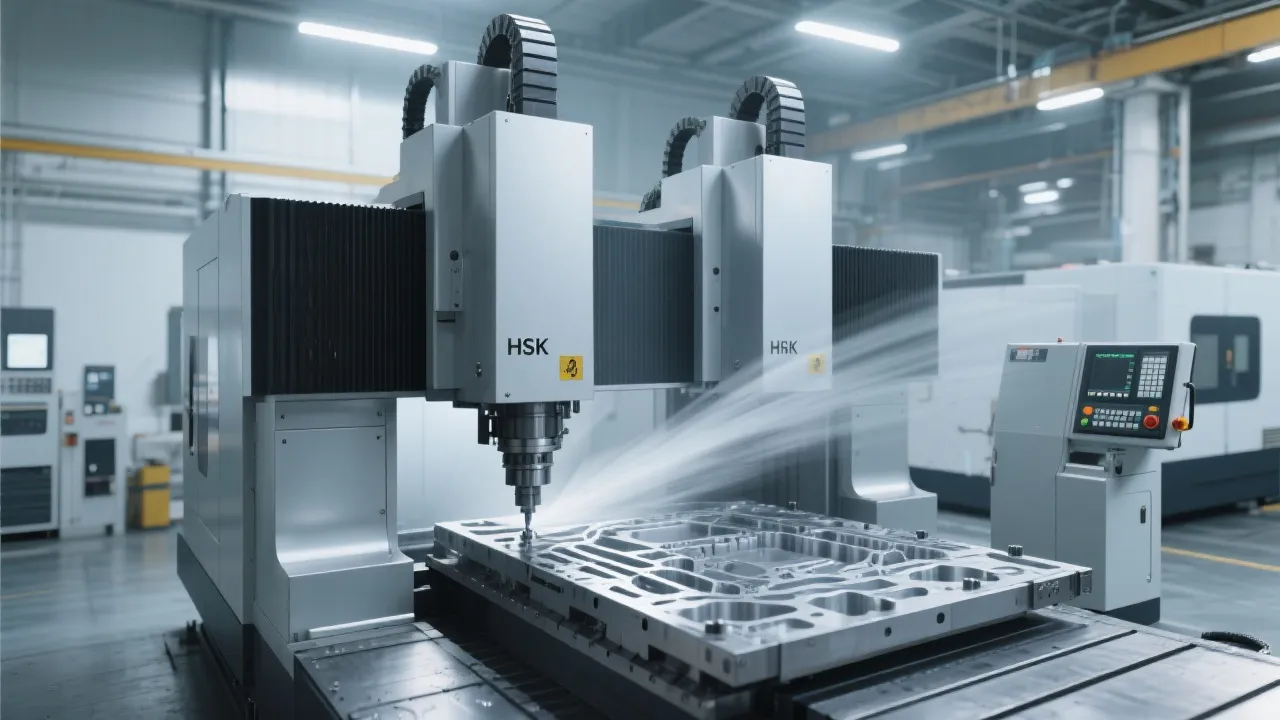
HSK spindle
mold finishing
machining efficiency optimization
High-speed metal CNC milling machine
CNC milling machine aerospace application
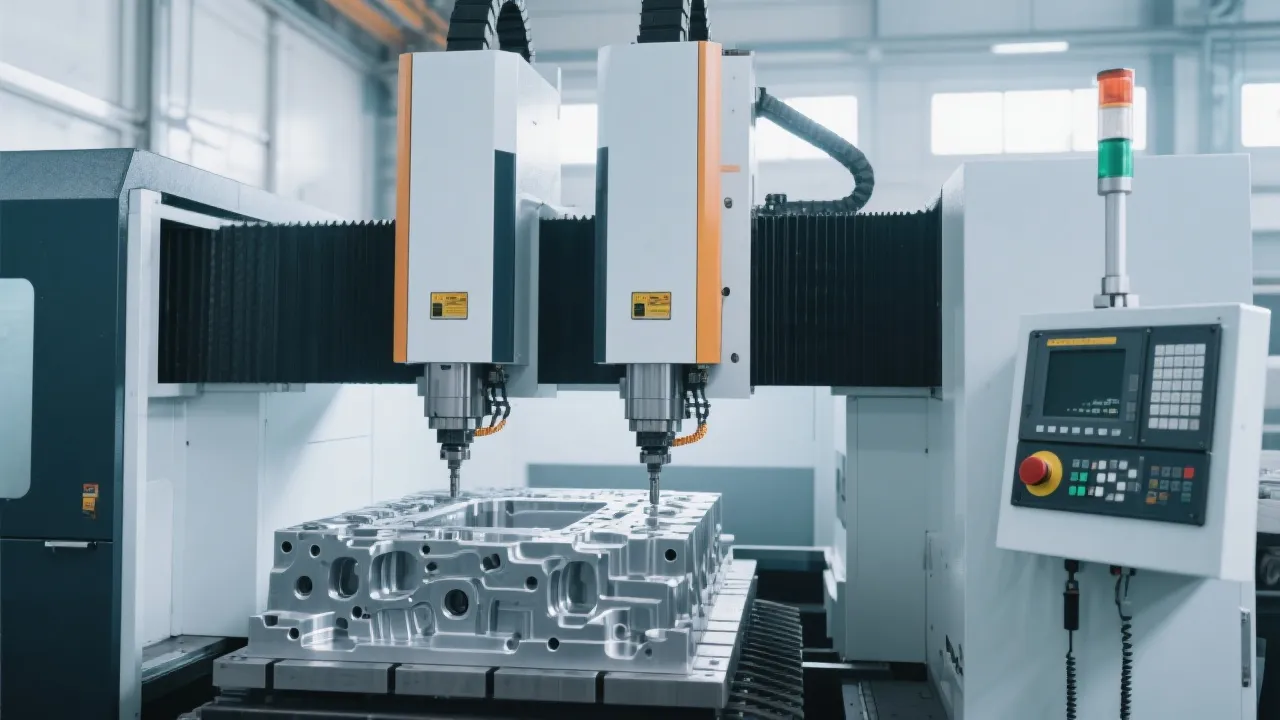
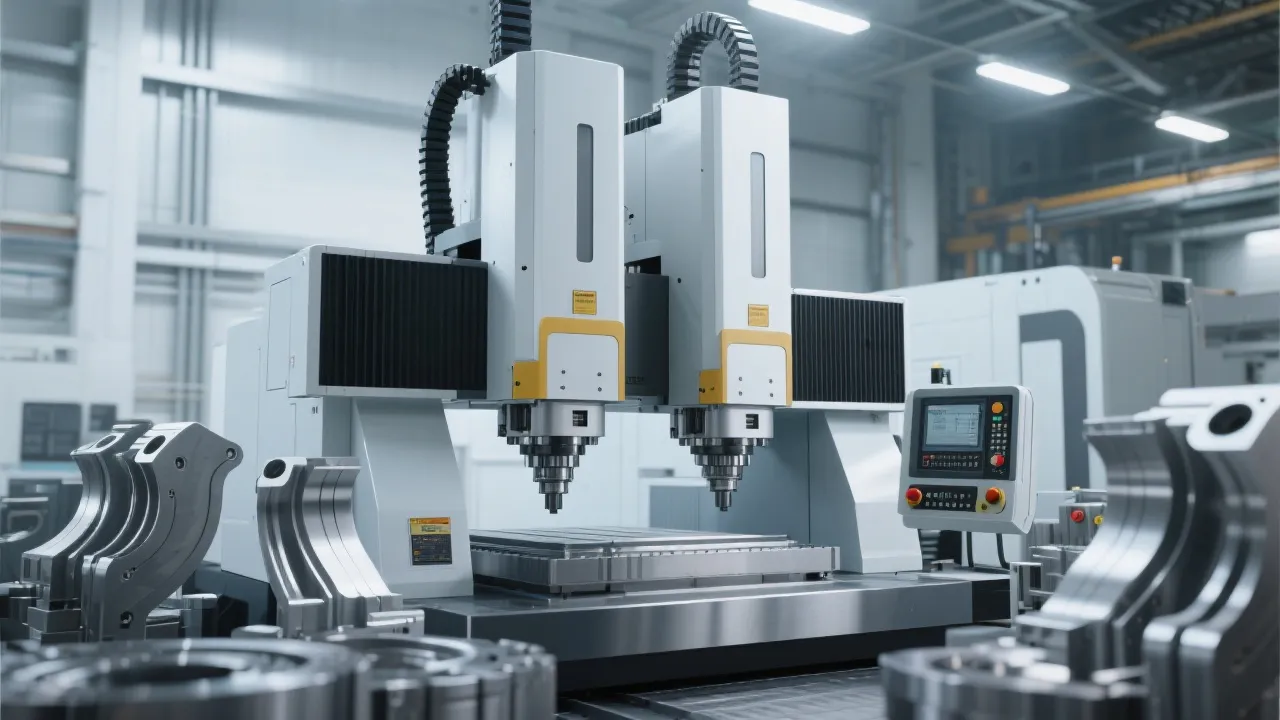
Double-column vertical machining center
Complex structural parts processing
Material removal rate improvement
High - precision CNC milling machine
Stainless steel processing equipment
CNC machine tools for foreign trade enterprises
Gantry machining center
Processing efficiency improvement
high precision CNC milling machine
stainless steel CNC machining
GJ1417龙门加工中心
complex part machining
precision machining equipment
CNC milling for plastic molds
double-column vertical CNC milling machine
3-axis CNC machining for mold making
toolpath optimization for mold milling
high-precision mold manufacturing
high-precision CNC milling machine
Fanuc control system
HSK spindle
mold finishing
machining efficiency optimization
High-speed metal CNC milling machine
CNC milling machine aerospace application
Double-column vertical machining center
Complex structural parts processing
Material removal rate improvement
High - precision CNC milling machine
Stainless steel processing equipment
CNC machine tools for foreign trade enterprises
Gantry machining center
Processing efficiency improvement
high precision CNC milling machine
stainless steel CNC machining
GJ1417龙门加工中心
complex part machining
precision machining equipment
CNC milling for plastic molds
double-column vertical CNC milling machine
3-axis CNC machining for mold making
toolpath optimization for mold milling
high-precision mold manufacturing




.png?x-oss-process=image/resize,h_100,m_lfit/format,webp)
.png?x-oss-process=image/resize,h_100,m_lfit/format,webp)
.png?x-oss-process=image/resize,h_100,m_lfit/format,webp)