
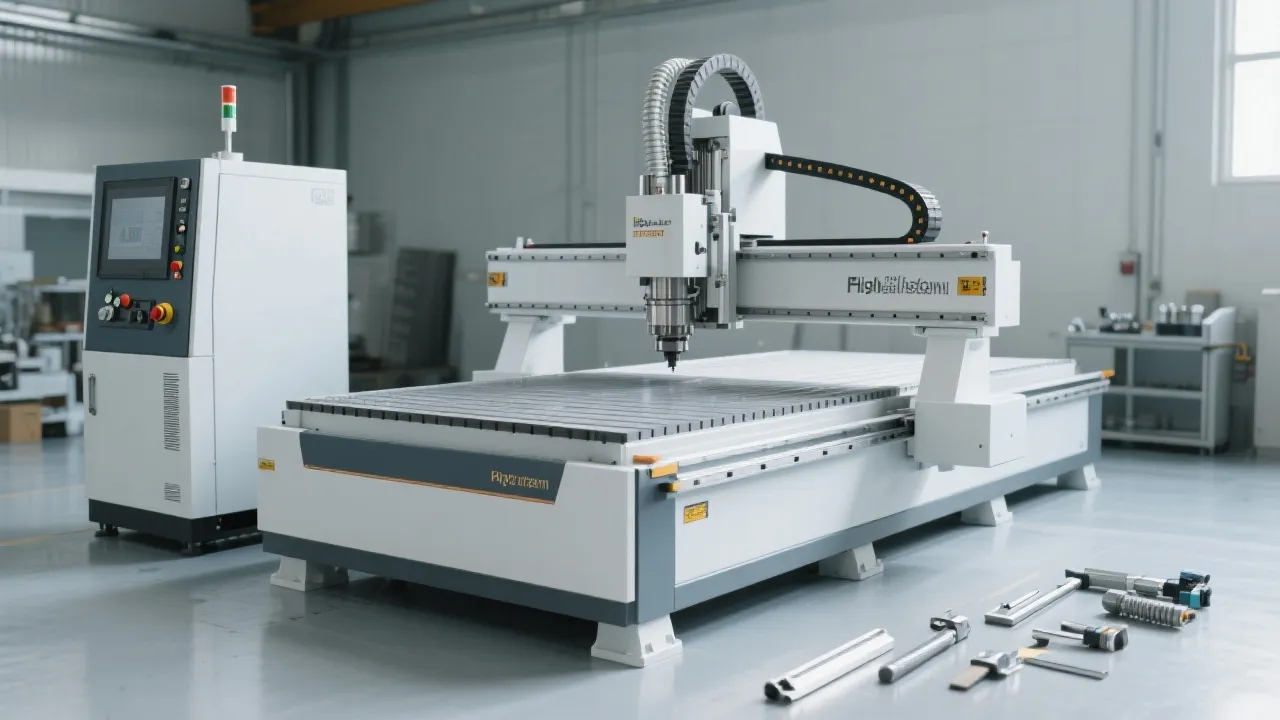
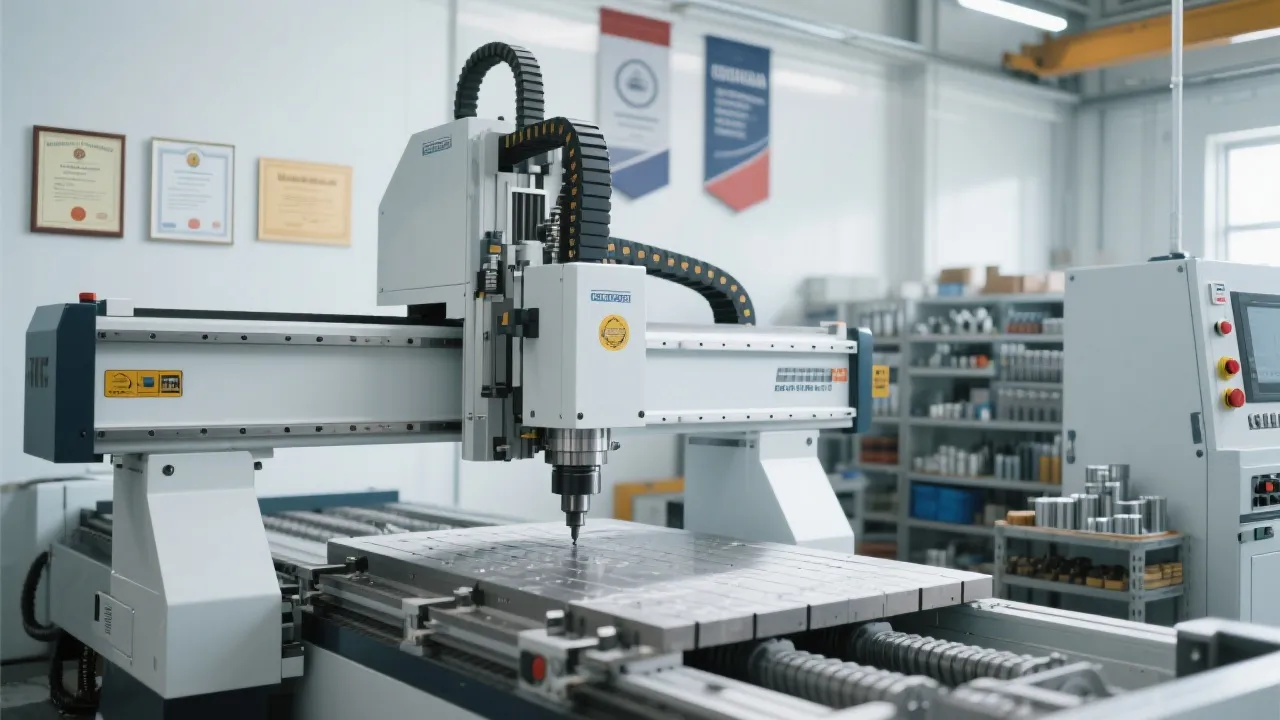
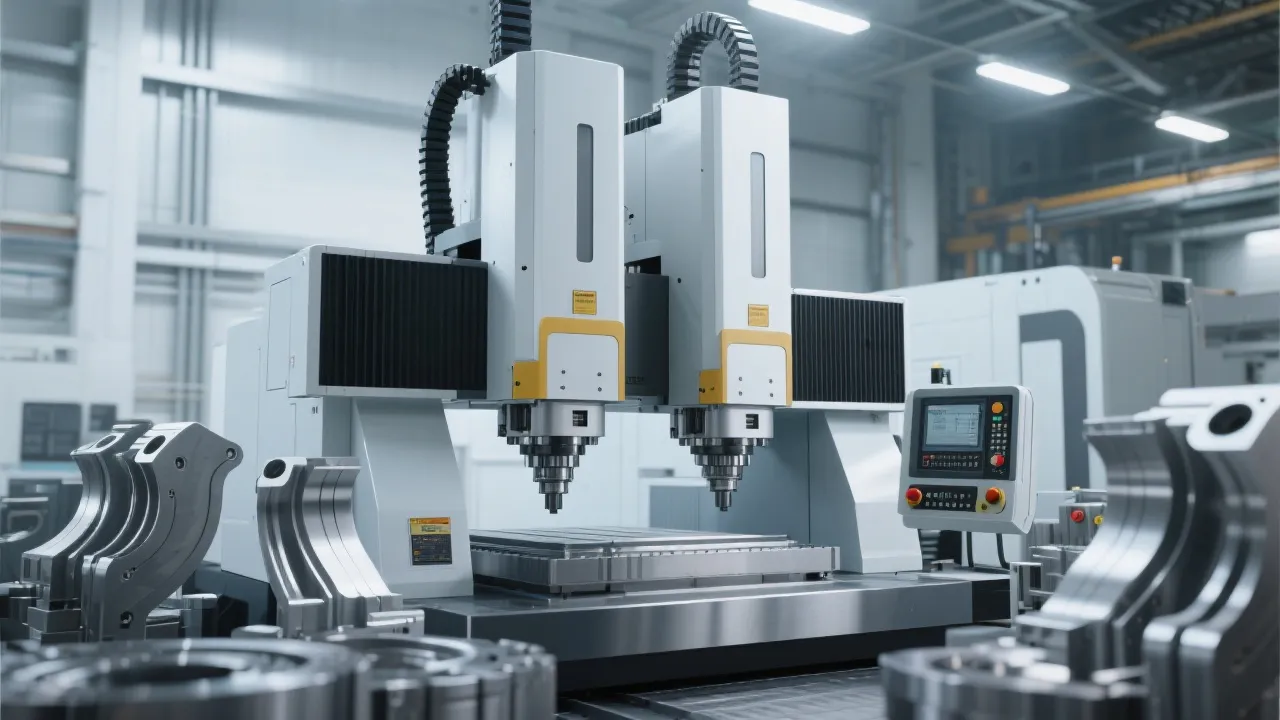
In the competitive aluminum mold manufacturing industry, precision and efficiency are paramount. CNC milling machines serve as the backbone of modern mold fabrication, delivering the capability to shape intricate designs with consistent accuracy. 凯博数控 harnesses advanced 数控雕铣机 (CNC milling machine) technologies that redefine manufacturing standards, optimizing both the quality and speed of aluminum mold production.
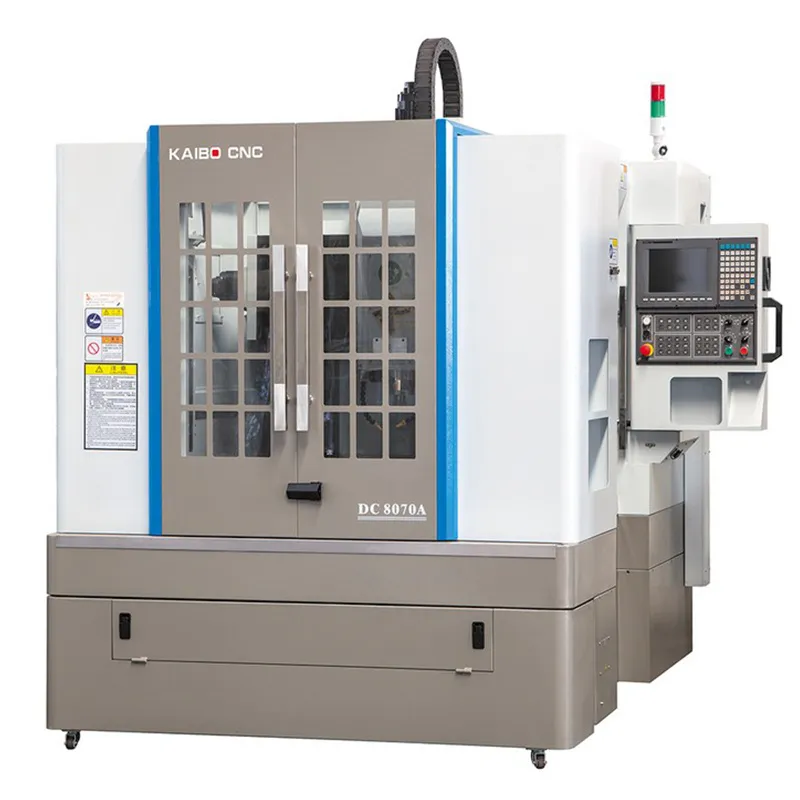
A CNC milling machine is a computer-controlled cutting tool that moves along multiple axes to carve and sculpt materials—aluminum molds in this context—with sub-millimeter precision. Through its core components, including servo motors, ball screws, and a sophisticated numerical control system, the machine translates digital CAD designs into physical parts seamlessly.
The CNC system integrates tool path planning, spindle speed regulation, and real-time positional feedback, enabling complex 3D contouring which is essential for high-precision aluminum mold fabrication. Key functionalities such as adaptive feed rate control and collision detection enhance operational safety while maintaining processing accuracy.
Achieving micron-level accuracy in aluminum mold milling is influenced by multiple variables:
To elevate precision, 凯博数控 recommends a multi-pronged technical scheme:
The choice of cutting tools directly impacts machining performance. For aluminum molds, tools crafted from tungsten carbide with polished coatings are preferred due to:
Tool diameters ranging from 2 mm to 12 mm enable versatility for roughing and finishing operations. Additionally, variable helix angles enhance surface texture and reduce chatter.
A leading aluminum mold manufacturer integrated 凯博数控 CNC milling systems tailored with the above methodologies. Key achievements over a six-month production cycle included:
These improvements translated into accelerated delivery timelines and strengthened client confidence, ultimately boosting the company's market competitiveness.
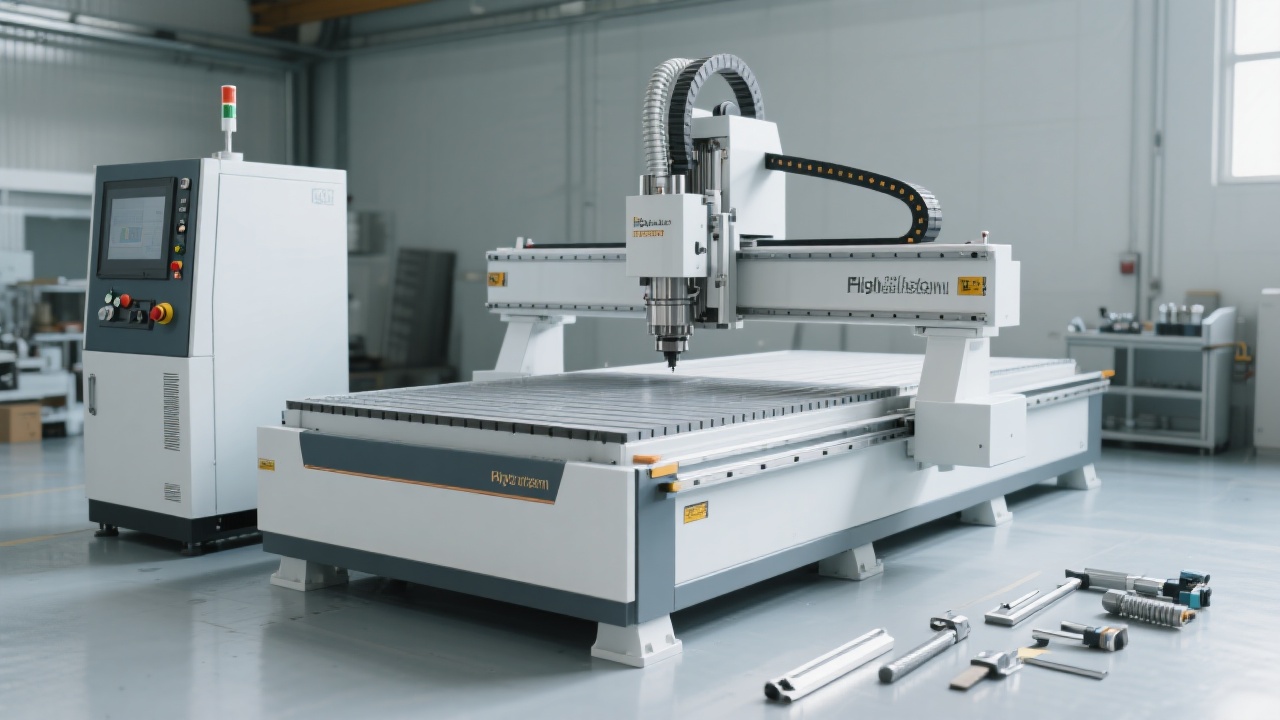
Manufacturing aluminum molds often involves overcoming challenges such as thermal distortion, burr formation, and tool deflection. Through decades of cumulative experience, 凯博数控 suggests the following:
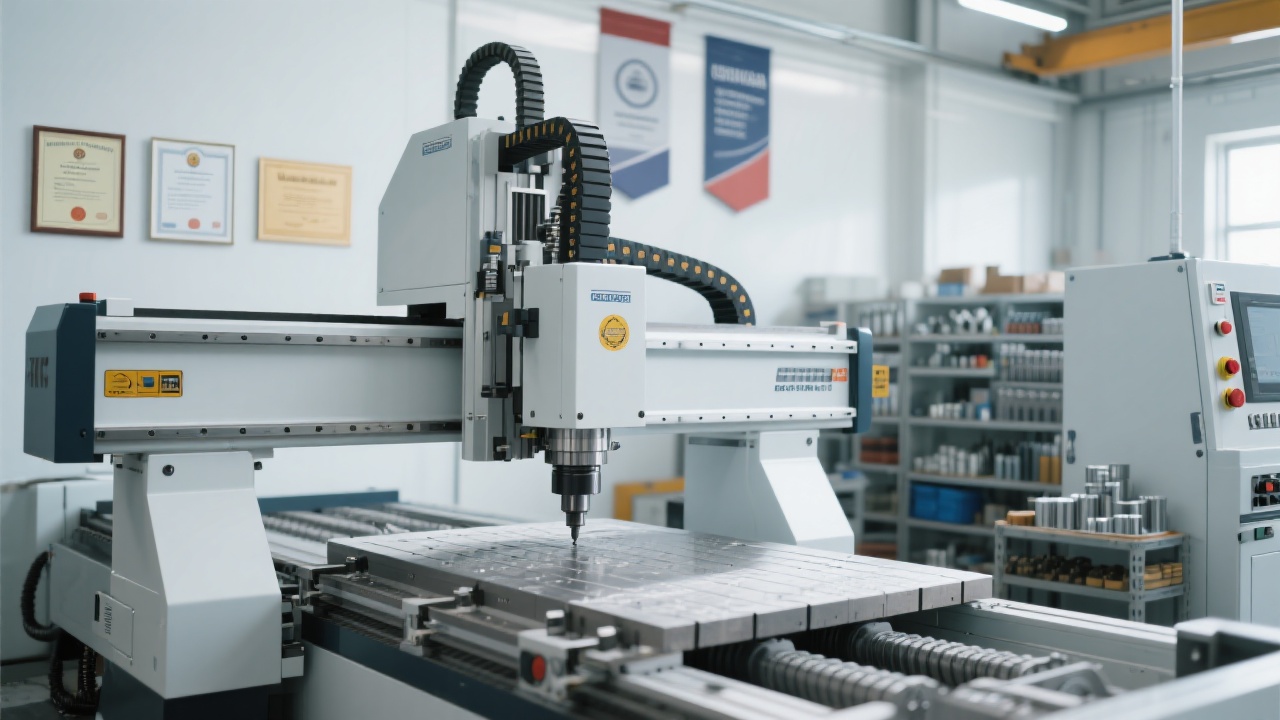
Beyond machinery, operator expertise drives success. Structured training programs focusing on CAM software proficiency, tool maintenance, and machining parameter optimization foster empowered technical teams who innovate continuously. Sharing case-based insights and embracing a culture of quality assurance underpin sustained improvements in manufacturing outcomes.
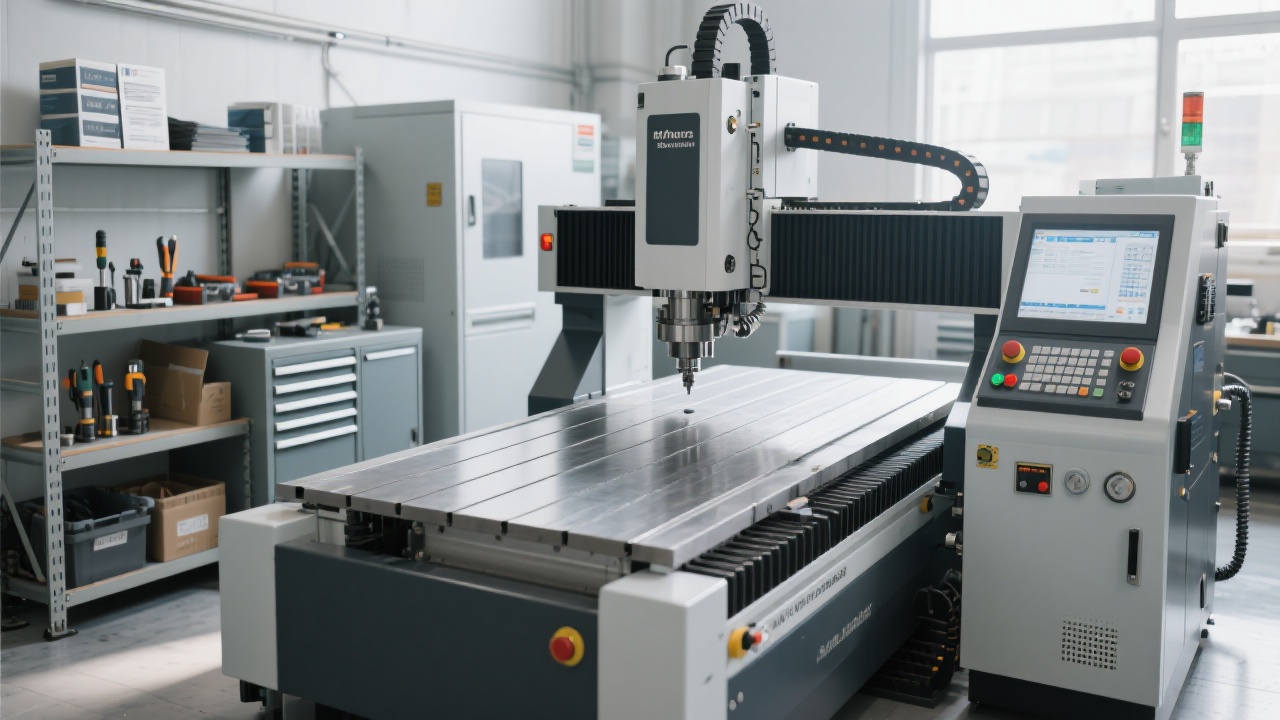
 high-precision CNC milling machine
Fanuc control system
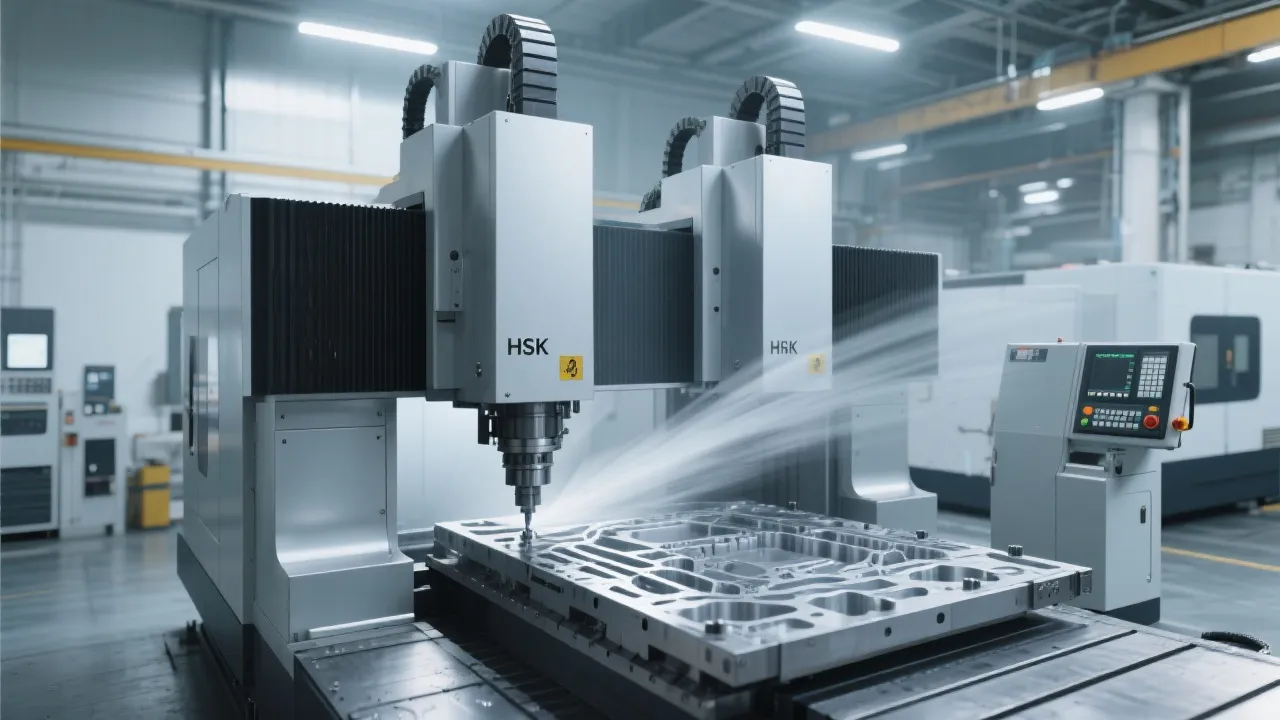
HSK spindle
mold finishing
machining efficiency optimization
aerospace CNC milling machine
high-speed machining center
GJ1317 double-column VMC
HSK spindle high-speed milling
high-pressure coolant CNC machining
stainless steel CNC milling machine
GJ1417 precision machining
gantry type CNC mill
precision stainless steel加工 solution
industrial CNC machine tools
High-precision stainless steel CNC milling machine
CNC milling machine high-precision machining
Gantry machining center
Processing efficiency improvement
Reducing defective product rate
high-precision stainless steel CNC milling
gantry machining center
GJ1417
precision machining solutions
stainless steel machining equipment
high-precision CNC milling machine
Fanuc control system
HSK spindle
mold finishing
machining efficiency optimization
aerospace CNC milling machine
high-speed machining center
GJ1317 double-column VMC
HSK spindle high-speed milling
high-pressure coolant CNC machining
stainless steel CNC milling machine
GJ1417 precision machining
gantry type CNC mill
precision stainless steel加工 solution
industrial CNC machine tools
High-precision stainless steel CNC milling machine
CNC milling machine high-precision machining
Gantry machining center
Processing efficiency improvement
Reducing defective product rate
high-precision stainless steel CNC milling
gantry machining center
GJ1417
precision machining solutions
stainless steel machining equipment






.png?x-oss-process=image/resize,h_100,m_lfit/format,webp)
.png?x-oss-process=image/resize,h_100,m_lfit/format,webp)
.png?x-oss-process=image/resize,h_100,m_lfit/format,webp)


