
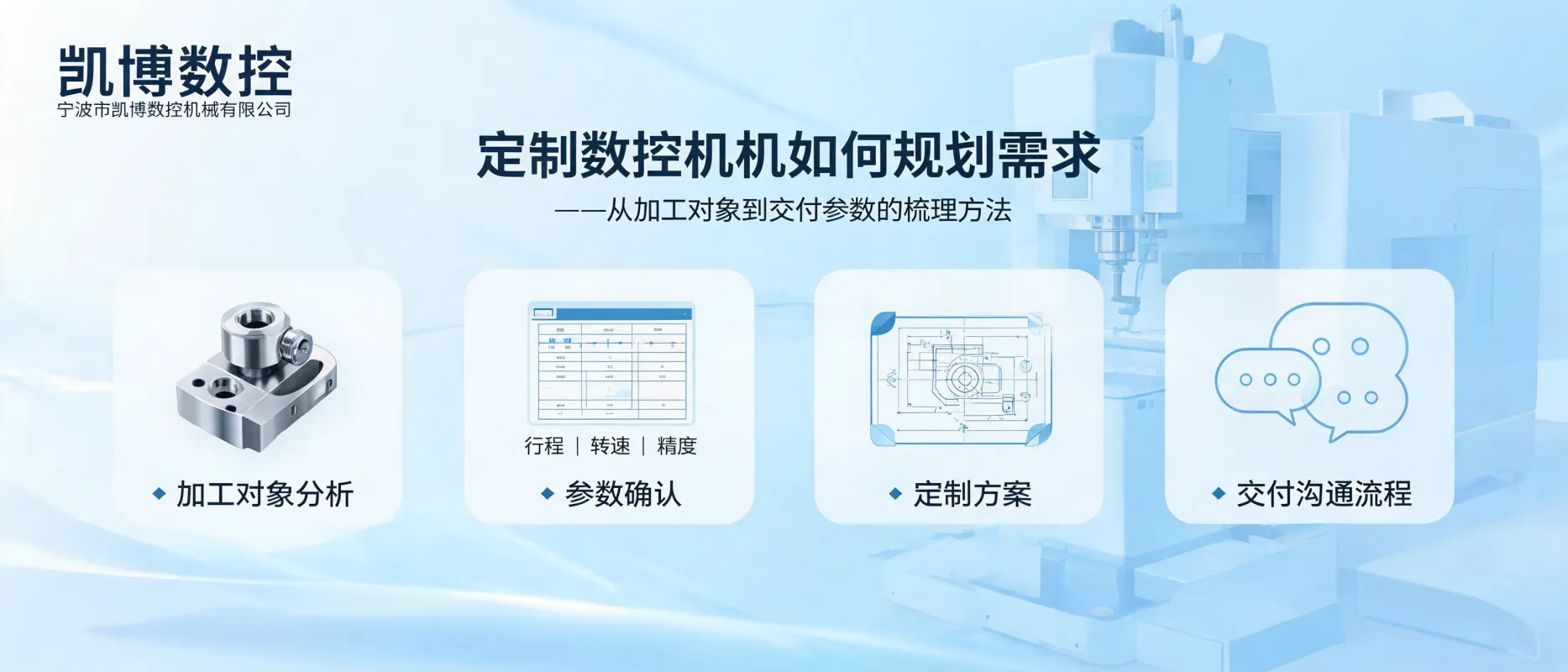
A CNC machine tool project is more than the selection of a machine model. It is a coordinated process that connects part requirements, machining methods, equipment configuration, validation, delivery, and ongoing service. For B2B buyers, especially those managing customized or overseas projects, a clear project path helps align technical expectations before production equipment is delivered.
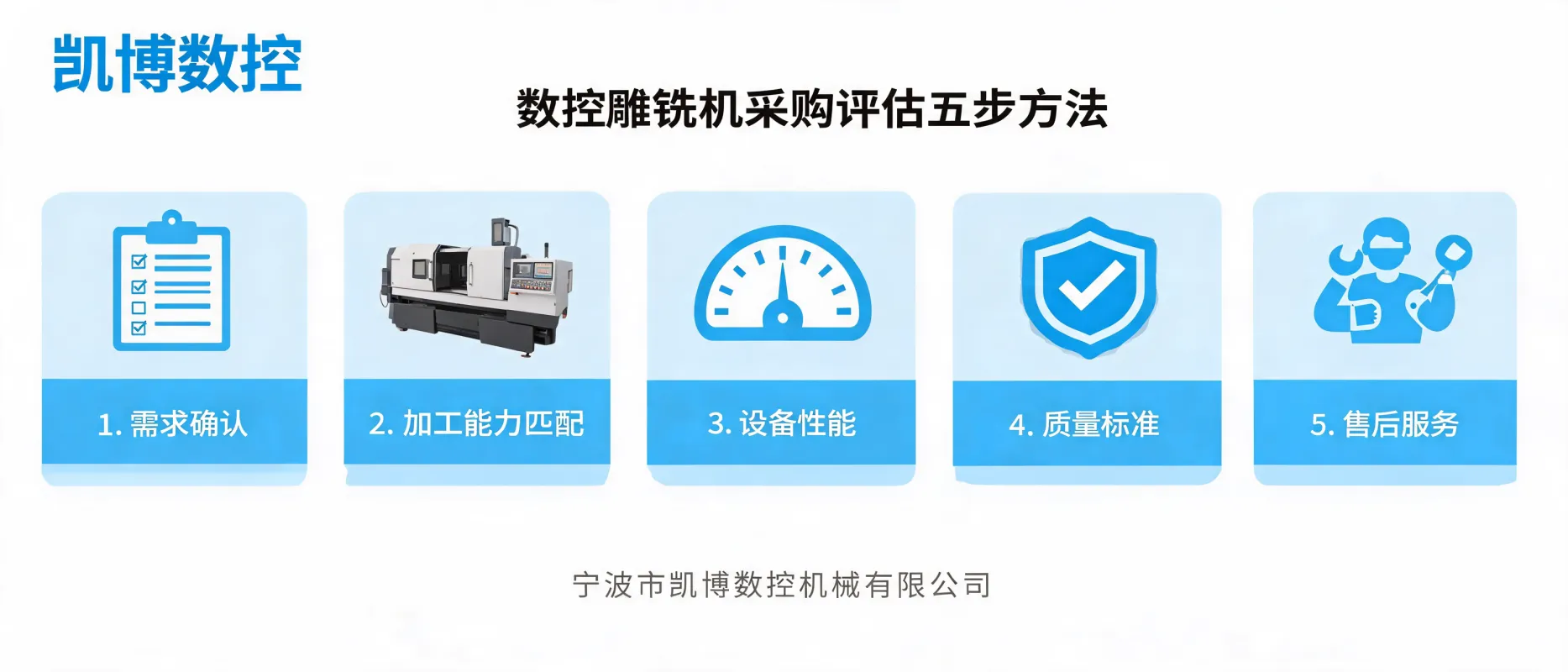
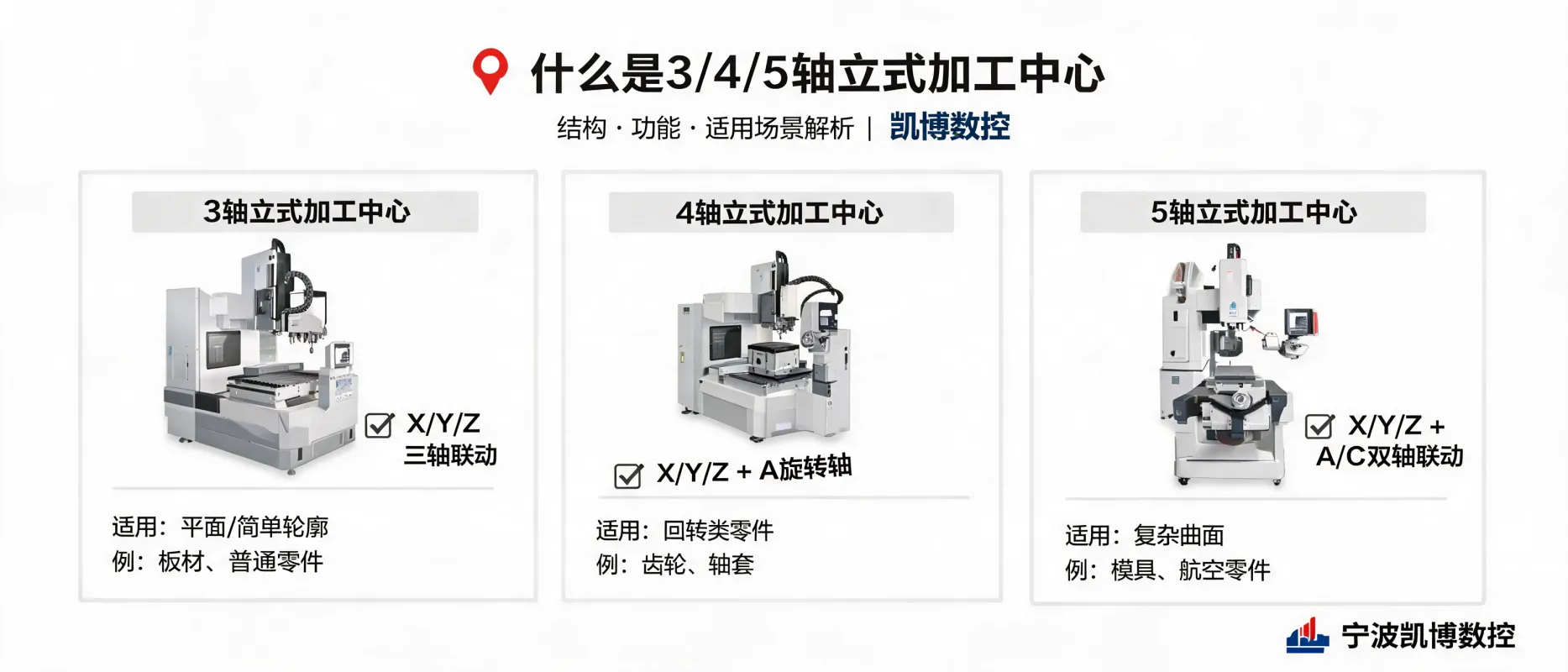
Ningbo Kaibo CNC Machinery Co., Ltd. supports CNC machine tool projects with a structured approach covering requirement communication, process evaluation, machine configuration, sample part validation, manufacturing, installation and commissioning, operator training, and after-sales support. The approach is applicable to projects involving 3-, 4-, and 5-axis vertical machining centers, CNC engraving and milling machines, and customized CNC machine tools.
Every project begins with the intended machining task rather than a standard machine specification alone. Material type, part geometry, tolerances, production volume, tooling, clamping, automation needs, and workshop conditions can all affect the suitability of a CNC machine tool solution. Reviewing these factors early provides a practical basis for technical communication and project planning.
Requirement communication establishes the technical foundation of a CNC machine tool project. A productive discussion normally focuses on the actual part and process rather than relying only on general equipment terminology. This helps both the buyer and supplier identify the information needed for a more relevant equipment recommendation.
| Project area | Information to review | Why it matters |
|---|---|---|
| Workpiece characteristics | Material, dimensions, geometry, drawings, and critical features | Supports assessment of travel, rigidity, spindle, and machining access needs |
| Machining process | Milling, drilling, engraving, finishing, multi-face work, and process sequence | Helps determine suitable axis arrangement and functional configuration |
| Production conditions | Batch size, cycle expectations, tooling, fixtures, operator practices, and site conditions | Helps align the machine tool project with practical operating requirements |
| Delivery and service needs | Installation planning, training needs, communication methods, and service coordination | Supports an organized transition from factory delivery to customer operation |
Process evaluation translates application requirements into machine tool considerations. Depending on the project, this may include the relationship between part dimensions and machine travel, the number of axes needed for machining access, workholding arrangements, spindle and tool requirements, and the integration of available auxiliary functions.
For customized CNC machine tool projects, the evaluation stage is particularly important because the final solution may require configuration decisions beyond a standard model. The goal is not to make assumptions about a production process, but to establish a shared technical understanding before manufacturing and delivery proceed.
Where a project requires it, sample parts, drawings, or representative machining information can provide a clearer reference for technical discussion. Sample-part validation is intended to examine whether the proposed process and machine configuration are aligned with the buyer’s identified requirements. It also creates an opportunity to clarify acceptance details, tooling assumptions, fixturing considerations, and the scope of the proposed solution.
Clear validation criteria help reduce uncertainty: the part, process conditions, machine configuration, and expected verification method should be discussed in the context of the specific project.
After the technical scope is confirmed, the project moves into manufacturing and delivery coordination. This stage links the agreed machine configuration with production planning, pre-delivery communication, shipment arrangements, and site preparation. For customers purchasing equipment across regions, timely exchange of installation-related information can help support a smoother commissioning process.
Machine delivery is an important milestone, not the end of the project relationship. Operator training can help users become familiar with machine operation, routine practices, and the application context discussed during the project. Continued after-sales communication provides a channel for addressing service needs during equipment use.
Ningbo Kaibo CNC Machinery Co., Ltd. serves customers in domestic and international markets through sales and service offices. For overseas machine tool buyers, structured communication around technical requirements, validation, installation, training, and service helps make project responsibilities and next steps easier to understand across distance and time zones.
A well-defined CNC machine tool solution starts with the application and continues through delivery and service. By organizing requirement communication, process evaluation, equipment configuration, sample-part discussion, manufacturing, commissioning, and training into one project framework, Ningbo Kaibo CNC Machinery Co., Ltd. helps B2B customers evaluate the practical considerations involved in selecting and implementing CNC machine tools.
 Ningbo Kaibo CNC
overseas markets
CNC engraving and milling machine applications
customer service
customized adaptation
Ningbo Kaibo CNC Machinery Co., Ltd.
CNC engraving and milling machine selection
configuration approach
machining requirements
precision requirements
procurement decision
Ningbo Kaibo CNC Machinery
3-axis vertical machining center
4-axis machining center
5-axis machining center
CNC machine selection
Ningbo Kaibo CNC Machinery Co., Ltd.
3/4/5-axis vertical machining center
CNC machine tool
product definition
machining applications
Ningbo Kaibo CNC Machinery
CNC engraving and milling machine
equipment selection guide
machining accuracy
key parameters
Ningbo Kaibo CNC
overseas markets
CNC engraving and milling machine applications
customer service
customized adaptation
Ningbo Kaibo CNC Machinery Co., Ltd.
CNC engraving and milling machine selection
configuration approach
machining requirements
precision requirements
procurement decision
Ningbo Kaibo CNC Machinery
3-axis vertical machining center
4-axis machining center
5-axis machining center
CNC machine selection
Ningbo Kaibo CNC Machinery Co., Ltd.
3/4/5-axis vertical machining center
CNC machine tool
product definition
machining applications
Ningbo Kaibo CNC Machinery
CNC engraving and milling machine
equipment selection guide
machining accuracy
key parameters



.png?x-oss-process=image/resize,h_100,m_lfit/format,webp)
.png?x-oss-process=image/resize,h_100,m_lfit/format,webp)
.png?x-oss-process=image/resize,h_100,m_lfit/format,webp)


