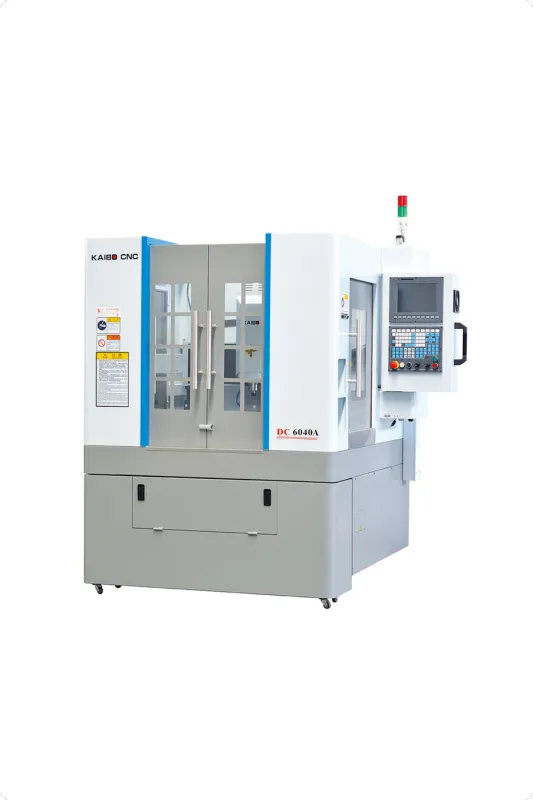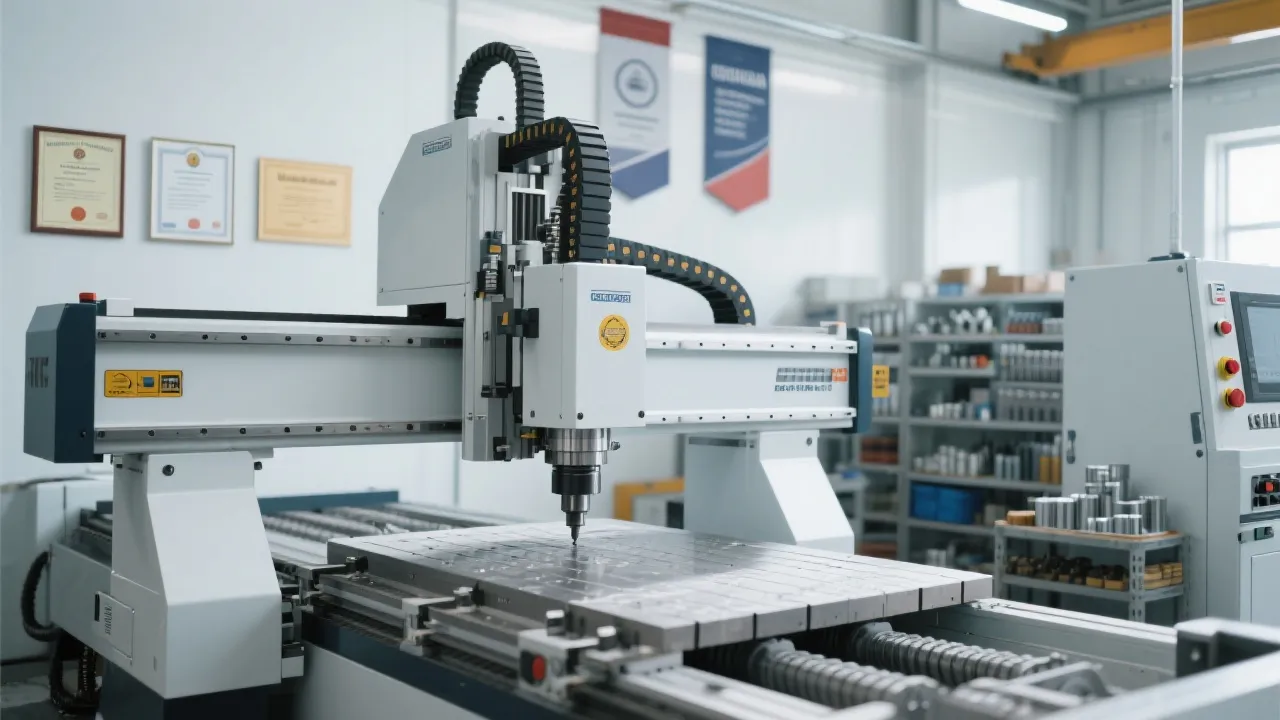
For aluminum formwork manufacturers, selecting the right CNC engraving and milling machine is critical to boosting mold processing efficiency. In-depth understanding of vital performance criteria such as processing speed, precision stability, automation level, and ease of maintenance can significantly impact productivity and product quality. This guide provides a comprehensive analysis of these KPIs tailored to varied production scales and technological complexities.
Processing speed directly influences production capacity and operational costs. For aluminum mold machining, optimal CNC machines should process at speeds ranging from 15 to 35 meters per minute depending on material hardness and mold complexity. Machines operating below 15 m/min risk bottlenecking, while speeds exceeding 35 m/min may compromise precision unless advanced vibration damping and high-rigidity frames are employed.
Incorporating high-torque spindle motors (around 5.5 kW or above) and efficient tool changers reduces cycle time, enabling manufacturers to meet just-in-time demands and shorten lead times.
Precision is vital for the dimensional accuracy and surface finish of aluminum formwork molds. Machines featuring linear guides with positioning accuracies of ±0.01 mm and repeatability within ±0.005 mm maintain tight tolerances essential for modular construction components.
Additionally, closed-loop servo systems and real-time CNC feedback significantly enhance stability during extended production runs, minimizing deviations due to thermal expansion or mechanical wear.
Automation technologies such as robotic tool changers, CNC tool path optimization, and integrated CAD/CAM software enable more efficient workflows and fewer manual interventions. For small to medium enterprises, semi-automated options suffice, balancing cost and usability. For large-scale aluminum mold manufacturers, machines with fully automated loading/unloading systems and real-time error self-diagnosis reduce downtime and operator dependency.
Ease of maintenance is crucial to maintain high equipment availability. Designs featuring modular components, accessible lubrication points, and user-friendly diagnostic interfaces shorten maintenance cycles. For example, machines equipped with predictive maintenance software can alert operators of imminent part wear, preventing unplanned outages.
Aluminum formwork enterprises vary widely in production volume and mold complexity. A startup focusing on simpler molds might prioritize affordability and ease of use, opting for a medium-speed CNC machine with manual tool changing. Conversely, large manufacturers with intricate designs require machines capable of high-speed precision machining and full automation to meet demand and quality standards.
Investing in machines with scalable modules allows flexibility for future upgrades aligned with production growth.
The synergy between machine parameters and mold output quality is quantifiable. For instance, enhancing spindle motor power from 4 kW to 7 kW can increase processing speed by up to 20%, reducing machining time per piece from 30 minutes to approximately 24 minutes. Such improvements translate to higher daily throughput and lower unit costs.
Stability improvements, ensuring repeatability within ±0.005 mm, decrease mold rejection rates by up to 15%, thus improving material utilization and customer satisfaction.
Emerging trends like IoT-connected CNC machines and AI-driven predictive analytics are reshaping aluminum mold manufacturing. These technologies facilitate remote machine monitoring, process optimization, and even adaptive tool path corrections, boosting uptime and product quality.
Staying abreast of these innovations can be a competitive advantage, enabling manufacturers to make data-driven purchasing decisions.
According to manufacturing engineer Dr. Michael Lee, “Selecting a CNC engraving and milling machine that aligns with your production scale and mold complexity is critical — not only for operational efficiency but also for achieving consistent mold quality that meets industry standards.”
A case study from a leading aluminum formwork company demonstrates a 25% production time reduction after upgrading to a high-precision CNC machine with automation and predictive maintenance capabilities, validating the benefits of strategic equipment investment.
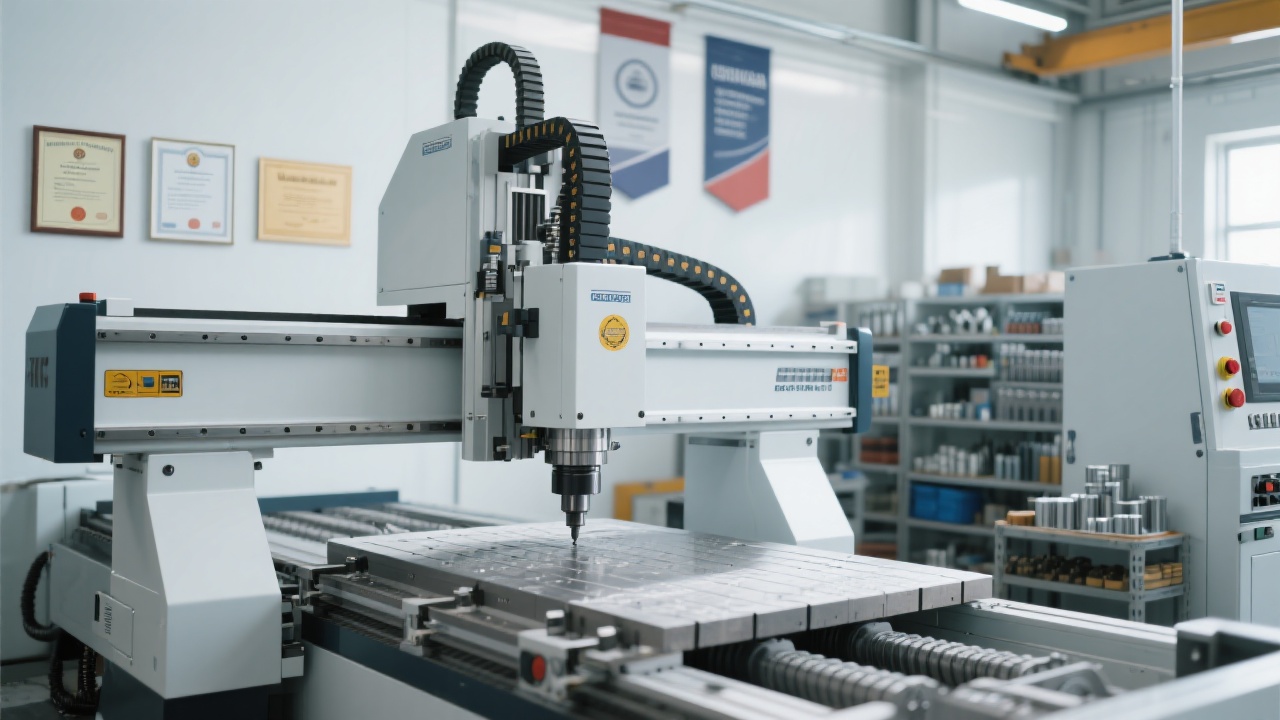
Leverage professional technical consultation and detailed specifications to confidently choose equipment that meets your production and quality goals.
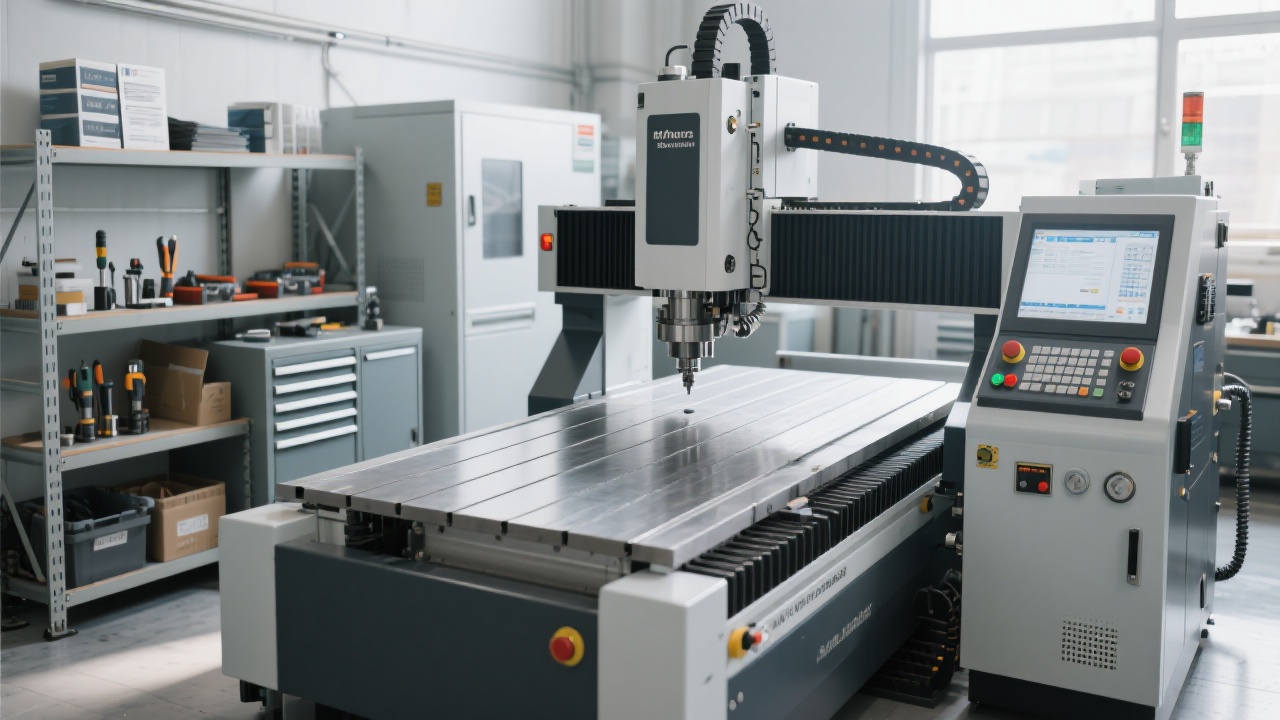
When exploring CNC equipment options, focus on keywords such as: “CNC engraving milling machine selection”, “aluminum formwork manufacturing equipment performance”, “mold processing efficiency improvement”, and “automated CNC machining for aluminum molds”. Targeting these can enhance search accuracy and connect you with solutions tailored for your industry.
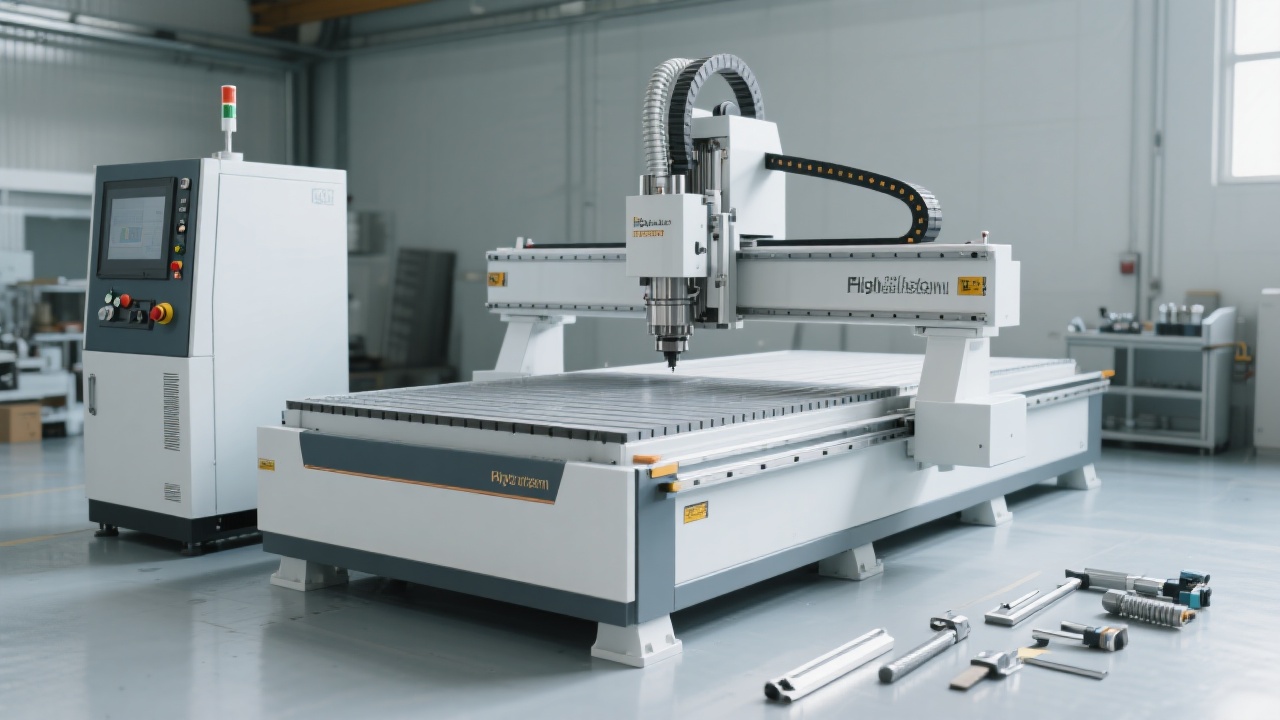
Embracing expertise and data-driven selection protects your investment, mitigates procurement risks, and empowers continuous production improvement in the competitive aluminum formwork sector.
 GJ1417 CNC machine
stainless steel CNC mill
intelligent CNC system
precision machining
龙门加工中心
high precision CNC milling machine
GJ8070
mold processing equipment
high-speed vertical machining center
CNC machine tool efficiency improvement
high precision CNC milling machine
stainless steel CNC machining
GJ1417龙门加工中心
complex part machining
precision machining equipment
High-Precision CNC Milling Machine
Fanuc Control System
HSK High-Speed Spindle
Mold Machining
Fine Surface Machining
high precision CNC mill
stainless steel machining center
龙门加工中心
export manufacturing competitiveness
efficient precision machining
GJ1417 CNC machine
stainless steel CNC mill
intelligent CNC system
precision machining
龙门加工中心
high precision CNC milling machine
GJ8070
mold processing equipment
high-speed vertical machining center
CNC machine tool efficiency improvement
high precision CNC milling machine
stainless steel CNC machining
GJ1417龙门加工中心
complex part machining
precision machining equipment
High-Precision CNC Milling Machine
Fanuc Control System
HSK High-Speed Spindle
Mold Machining
Fine Surface Machining
high precision CNC mill
stainless steel machining center
龙门加工中心
export manufacturing competitiveness
efficient precision machining
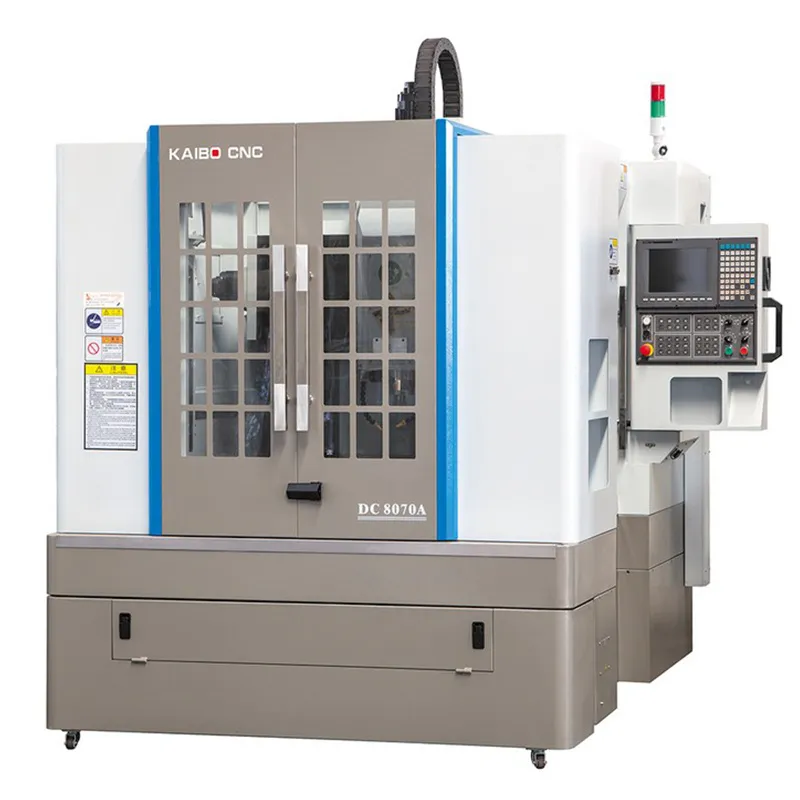




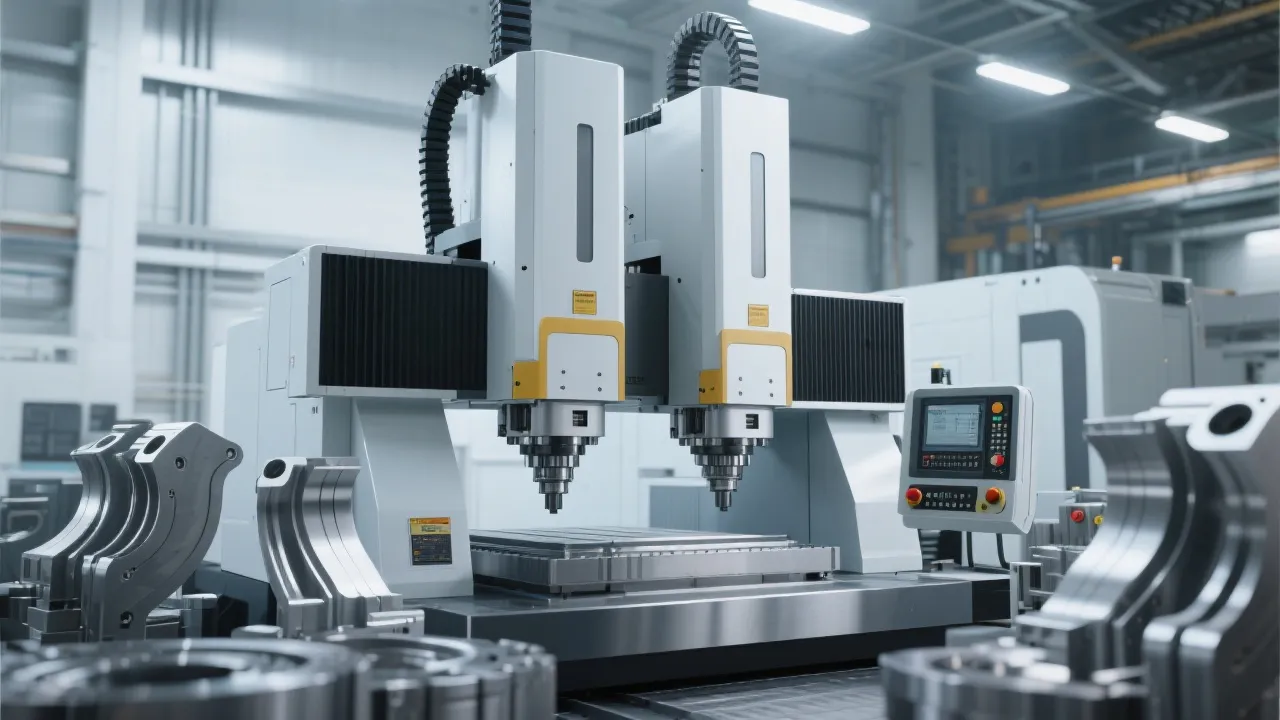
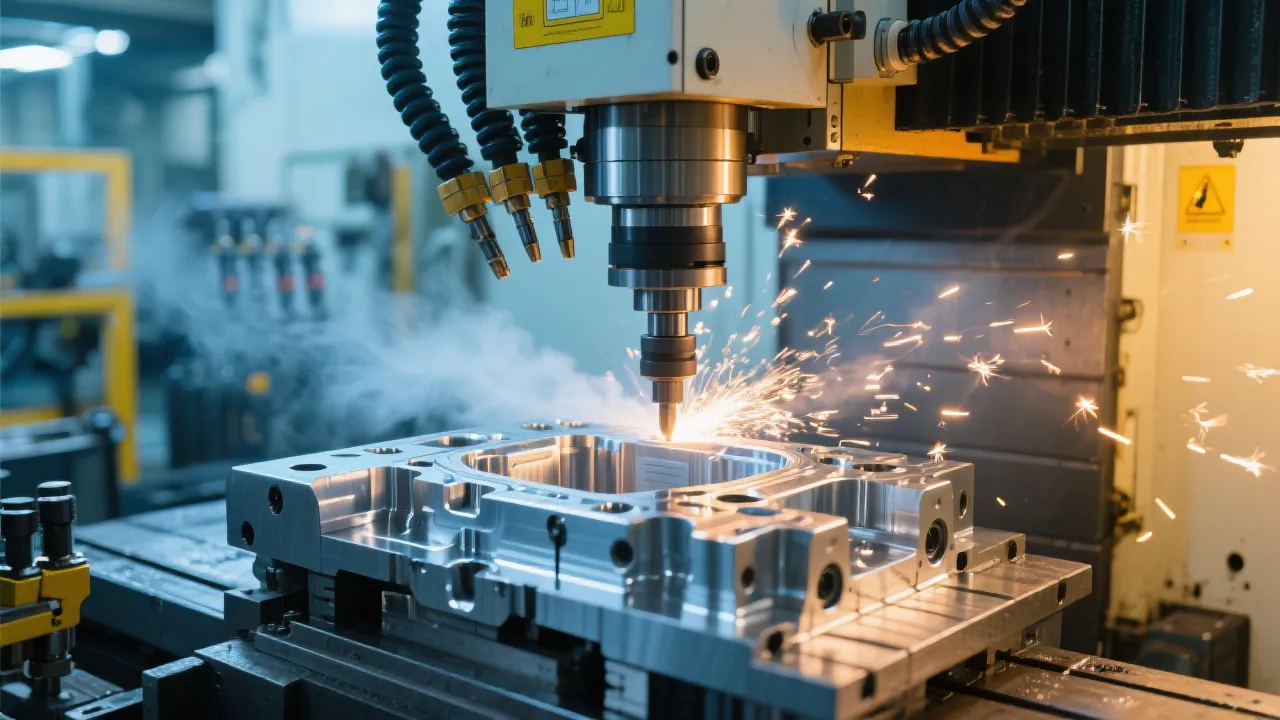


.png?x-oss-process=image/resize,h_100,m_lfit/format,webp)
.png?x-oss-process=image/resize,h_100,m_lfit/format,webp)
.png?x-oss-process=image/resize,h_100,m_lfit/format,webp)