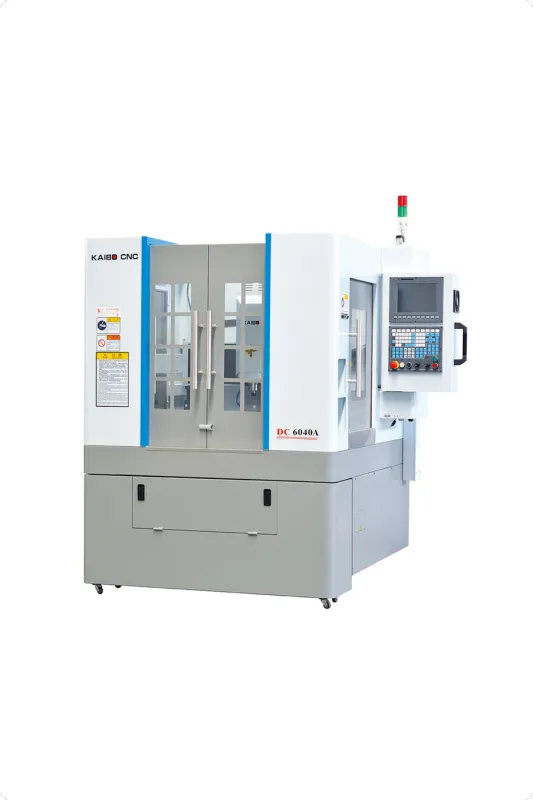
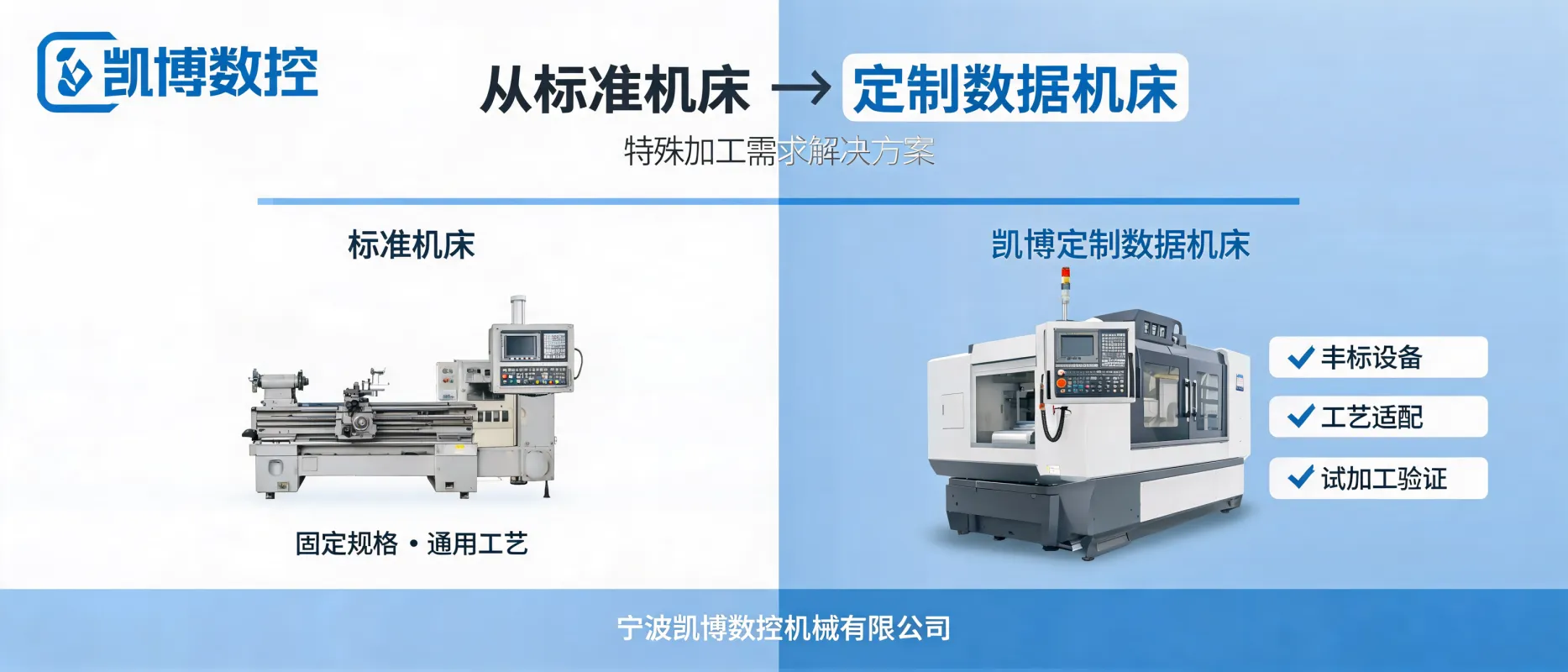
Custom CNC equipment is most effective when the machine solution is built around the actual manufacturing process—not simply a standard specification. Ningbo Kaibo CNC Machinery Co., Ltd. supports CNC machine projects through a coordinated delivery process that connects process requirement analysis, solution design, configuration confirmation, sample validation, manufacturing, installation, commissioning, and ongoing service support.
A custom CNC machine project may involve machining requirements, workpiece characteristics, tooling, accuracy expectations, production rhythm, operator workflow, and site conditions. Addressing these factors in sequence helps create a clearer basis for equipment selection, technical communication, and project readiness.
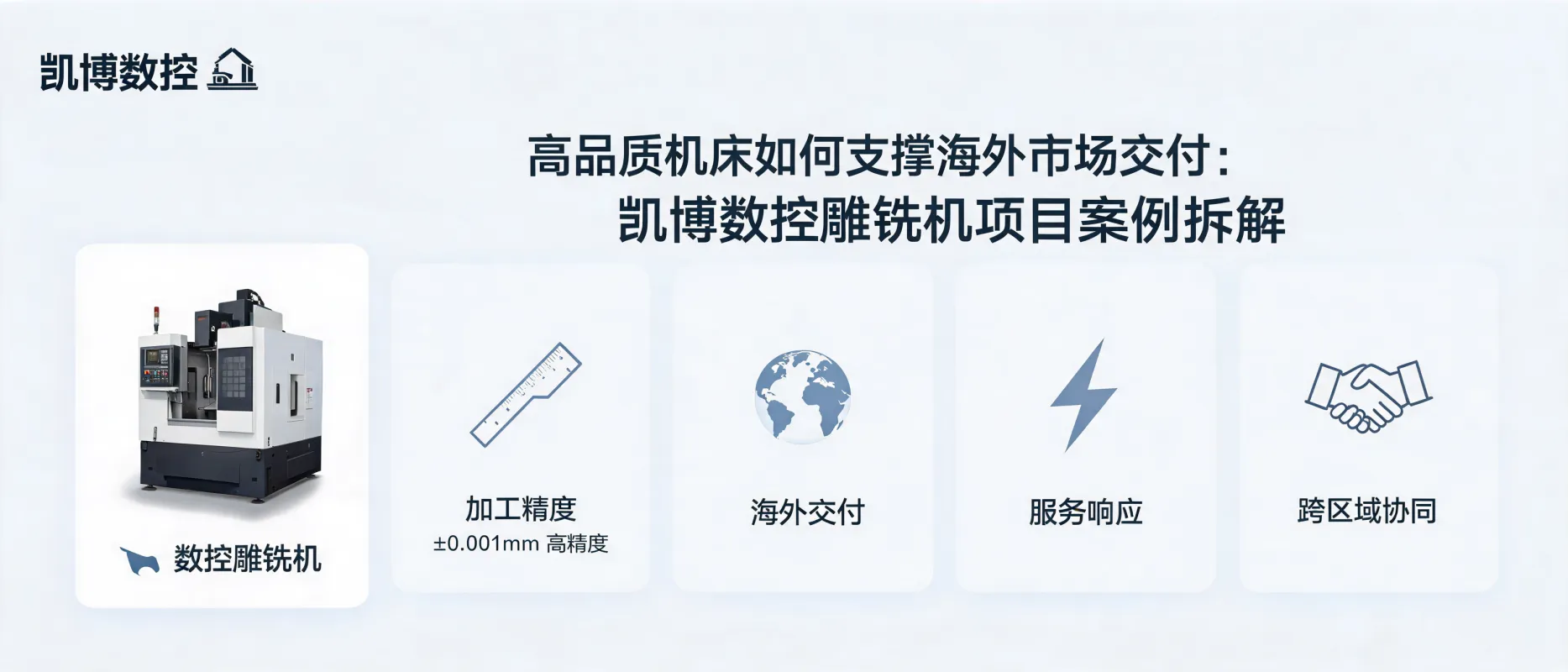
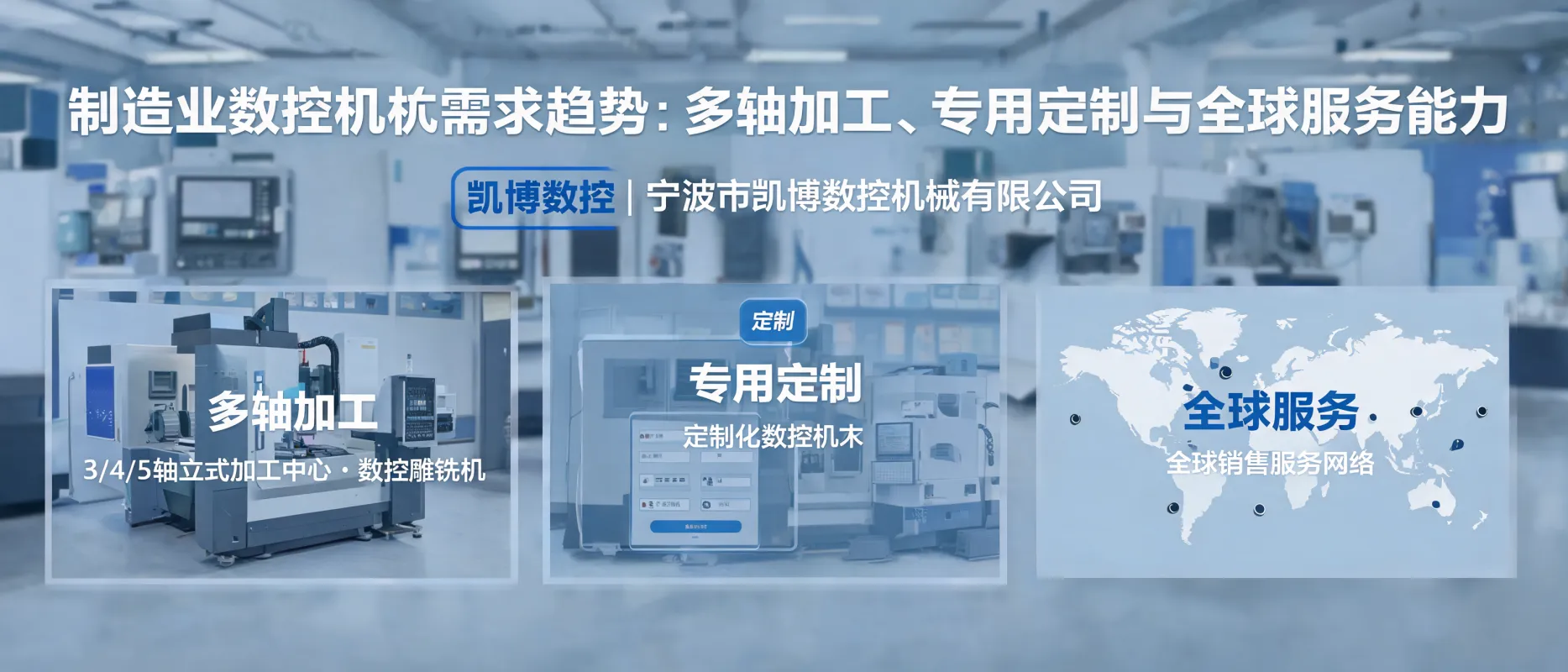
Kaibo CNC applies this project-oriented approach to customized CNC equipment and related machine solutions, including applications involving vertical machining centers, CNC engraving and milling machines, and other configured machine tool requirements. The scope of each project is confirmed according to the customer’s process and technical needs.
For complex CNC machine projects, early and complete technical communication supports more informed equipment decisions. Manufacturers may prepare the following information when evaluating a custom CNC machine solution:
| Project Area | Purpose of Review | Typical Output |
|---|---|---|
| Process definition | Establish the machining task and operating requirements | A clearer technical basis for the machine proposal |
| Configuration alignment | Match key machine functions and components to the application | Confirmed scope for the proposed CNC equipment |
| Sample validation | Review practical suitability against representative requirements | A reference for project communication and acceptance planning |
| Site implementation | Prepare for installation and initial operation | Coordinated installation and commissioning activities |
Kaibo CNC combines machine tool development, manufacturing, marketing, and service capabilities to support B2B customers evaluating CNC equipment for specific production requirements. Its team can communicate around the full project path—from initial process requirements and custom machine solution development to validation, installation, commissioning, and follow-up service coordination.
A well-defined project begins with the actual part and process. Sharing application details at the outset enables a more focused discussion of custom CNC equipment, delivery preparation, and the support required for stable machine operation after commissioning.
 Ningbo Kaibo CNC Machinery Co., Ltd.
CNC engraving and milling machine
machine tool selection
machining center
application scenarios
CNC milling machine selection
aluminum mold manufacturing equipment performance
mold machining efficiency improvement
CNC machining parameters
aluminum mold automation
Kaibo CNC
CNC engraving and milling machine misconceptions
selection issues
equipment differences
purchase awareness
Ningbo Kaibo CNC Machinery
machine tool industry competition
R&D capability
national standards
service system
aluminum mold CNC machining
CNC engraving milling machine
machining accuracy control
tool selection for aluminum
CNC system high-speed machining
Ningbo Kaibo CNC Machinery Co., Ltd.
CNC engraving and milling machine
machine tool selection
machining center
application scenarios
CNC milling machine selection
aluminum mold manufacturing equipment performance
mold machining efficiency improvement
CNC machining parameters
aluminum mold automation
Kaibo CNC
CNC engraving and milling machine misconceptions
selection issues
equipment differences
purchase awareness
Ningbo Kaibo CNC Machinery
machine tool industry competition
R&D capability
national standards
service system
aluminum mold CNC machining
CNC engraving milling machine
machining accuracy control
tool selection for aluminum
CNC system high-speed machining



.png?x-oss-process=image/resize,h_100,m_lfit/format,webp)
.png?x-oss-process=image/resize,h_100,m_lfit/format,webp)
.png?x-oss-process=image/resize,h_100,m_lfit/format,webp)