
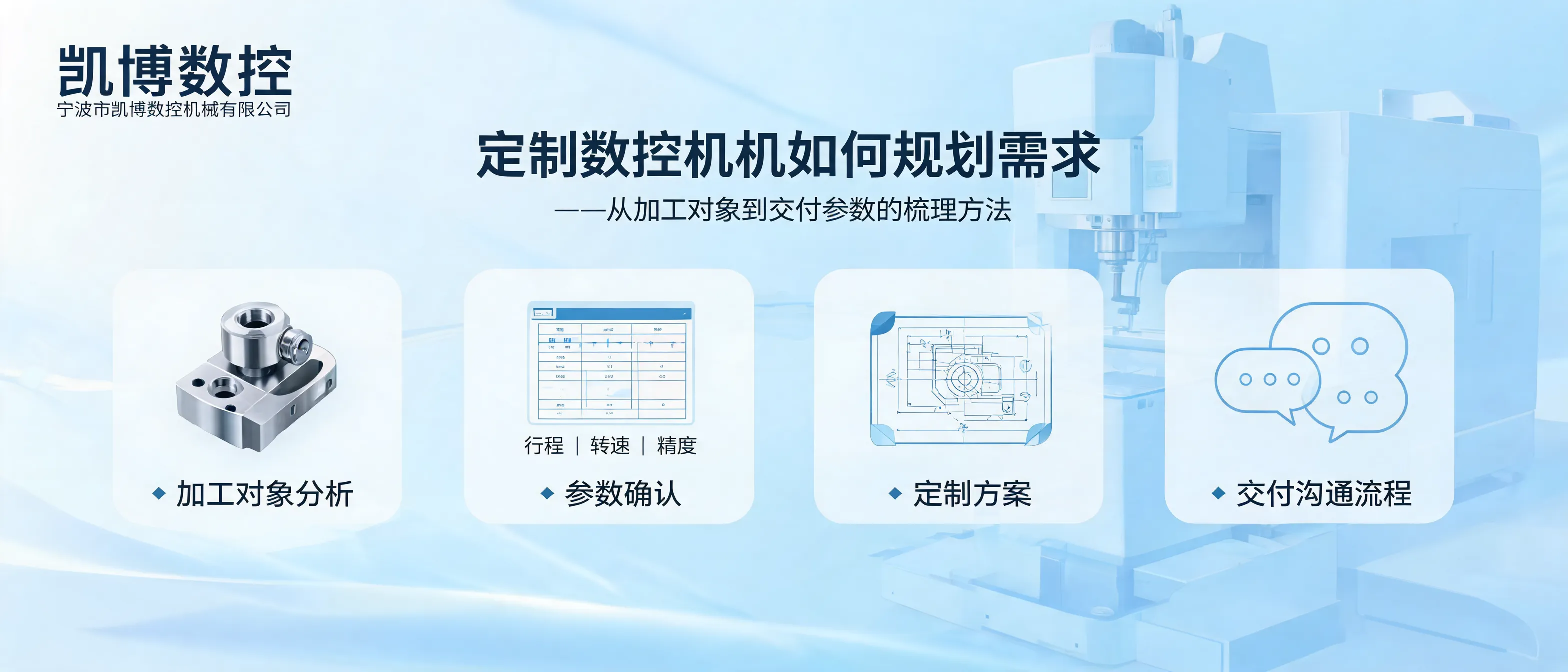
For B2B buyers, a custom CNC machine project starts long before production. Clear requirement planning helps align the machining object, technical parameters, application scenario, and delivery expectations, making communication more efficient and reducing the chance of repeated revisions later in the process.
A custom CNC machine is usually selected for a specific manufacturing task, so the first step is not only to choose a machine model, but to define what the machine needs to do in your production flow. When the requirement brief is clear, both sides can discuss feasibility, configuration, and delivery details with fewer misunderstandings.
At Ningbo Kaibo CNC Machinery Co., Ltd., custom CNC machine communication is guided by practical project needs: machining objects, processing goals, parameter definition, and delivery coordination. This approach is especially useful for B2B buyers who want a clearer project plan before confirmation.
The most important input is the machining object itself. Before discussing a custom CNC machine, buyers should describe the workpiece as clearly as possible, including its material, shape, dimensions, processing surface, and expected machining result.
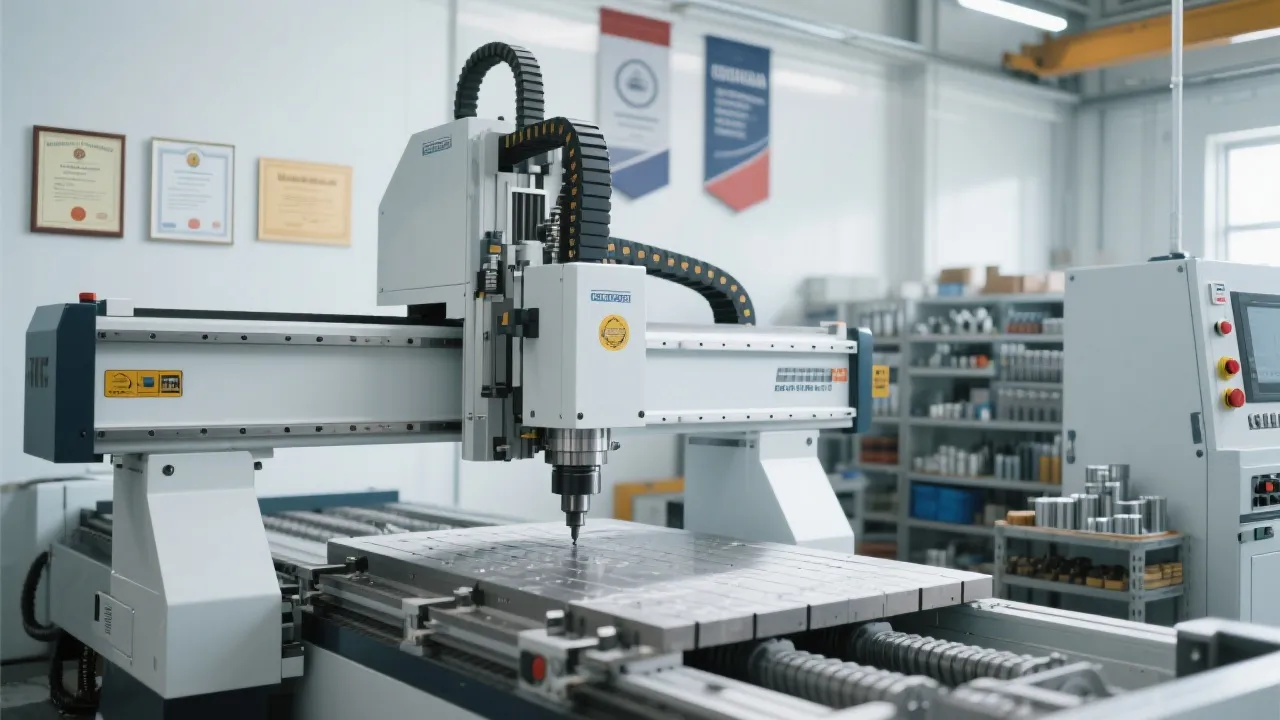
These details help the technical team evaluate whether a 3-axis, 4-axis, 5-axis VMC, a CNC engraving and milling machine, or a custom CNC machine structure is more suitable for the task.
Requirement planning is most effective when the needed parameters are expressed in production terms rather than general language. This makes it easier to match the machine configuration to the actual processing target.
In custom CNC machine projects, delivery is not only about the shipping date. It also includes technical confirmation, configuration details, packing expectations, and communication for installation or after-sales support.
Confirm the expected timeline, order sequence, and any project milestones that affect handover.
Align the final machine specification, main functions, and custom options before production starts.
Discuss installation, operational guidance, and post-delivery support according to project needs.
For buyers planning a custom CNC machine, a structured communication process makes the project easier to manage. Ningbo Kaibo CNC Machinery supports buyers through a clear requirement discussion path rather than relying on broad assumptions.
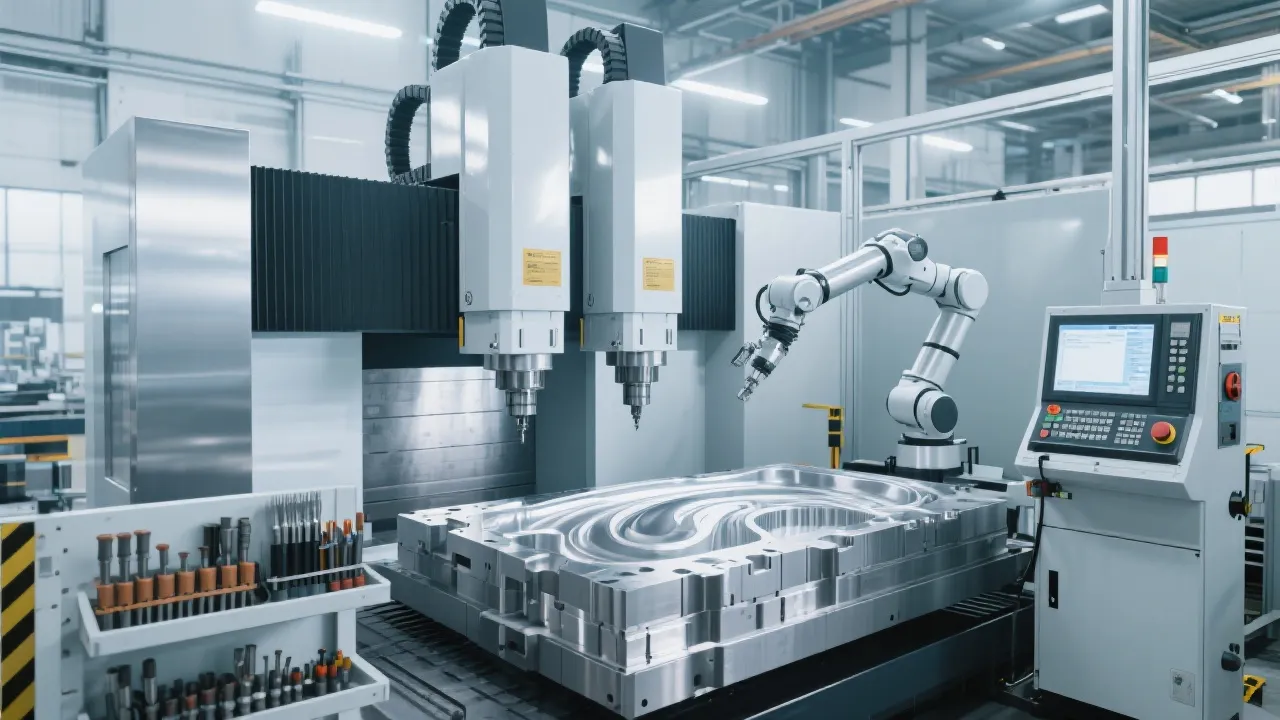
A custom CNC machine is appropriate when standard configurations do not fully match the production task. This may happen when the workpiece is complex, the process route is specific, or the factory wants a more targeted solution for efficiency and consistency.
The goal is not to over-customize, but to match the machine to the real machining task, so the final configuration supports stable production and clearer operational planning.
Founded from a machining background dating back to 1994 and formally established as Kaibo CNC in 2003, Ningbo Kaibo CNC Machinery combines R&D, manufacturing, and marketing in one business structure. The company produces 3-axis, 4-axis, and 5-axis vertical machining centers, CNC engraving and milling machines, and custom CNC machine solutions for domestic and overseas markets.
With sales and service offices across China and abroad, the company supports B2B customers with a practical communication process and service-oriented project handling. For buyers in Arab, Russian, Spanish, and Portuguese-speaking markets, a clear requirement plan is the first step toward a more accurate custom machine solution.
 high precision CNC milling machine
GJ8070
mold processing equipment
high-speed vertical machining center
CNC machine tool efficiency improvement
aluminum mold manufacturing
CNC engraving and milling
machining precision
tool selection
CNC system optimization
Ningbo Kaibo CNC Machinery
machine tool industry competition
R&D capability
national standards
service system
Ningbo Kaibo CNC
overseas markets
CNC engraving and milling machine applications
customer service
customized adaptation
Ningbo Kaibo CNC Machinery Co., Ltd.
overseas delivery
CNC engraving and milling machine case study
machining precision
service system
high precision CNC milling machine
GJ8070
mold processing equipment
high-speed vertical machining center
CNC machine tool efficiency improvement
aluminum mold manufacturing
CNC engraving and milling
machining precision
tool selection
CNC system optimization
Ningbo Kaibo CNC Machinery
machine tool industry competition
R&D capability
national standards
service system
Ningbo Kaibo CNC
overseas markets
CNC engraving and milling machine applications
customer service
customized adaptation
Ningbo Kaibo CNC Machinery Co., Ltd.
overseas delivery
CNC engraving and milling machine case study
machining precision
service system




.png?x-oss-process=image/resize,h_100,m_lfit/format,webp)
.png?x-oss-process=image/resize,h_100,m_lfit/format,webp)
.png?x-oss-process=image/resize,h_100,m_lfit/format,webp)


