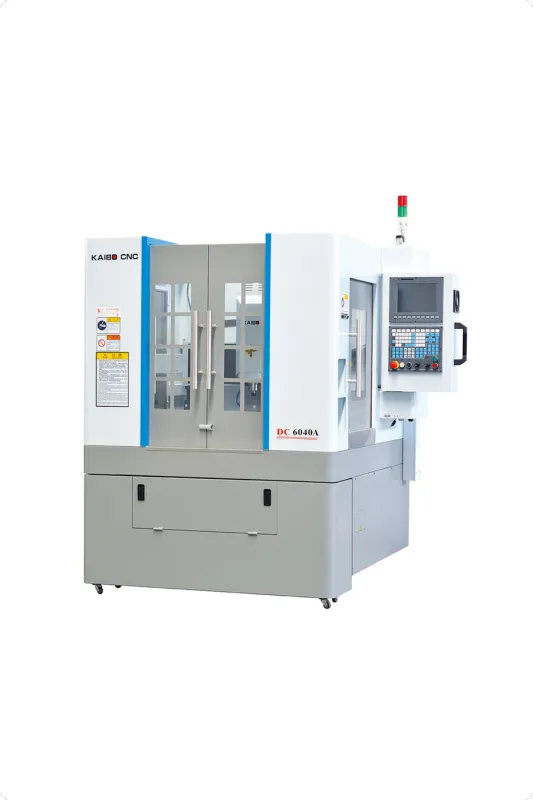
In modern manufacturing, machining efficiency is not determined by a single factor. It comes from the coordinated performance of machine structure, control systems, spindle capability, tool change handling, and process optimization. At Ningbo Kaibo CNC Machinery Co., Ltd., CNC engraving and milling machines are developed with this system-level view in mind, helping buyers and technical teams better understand what drives stable, efficient production.
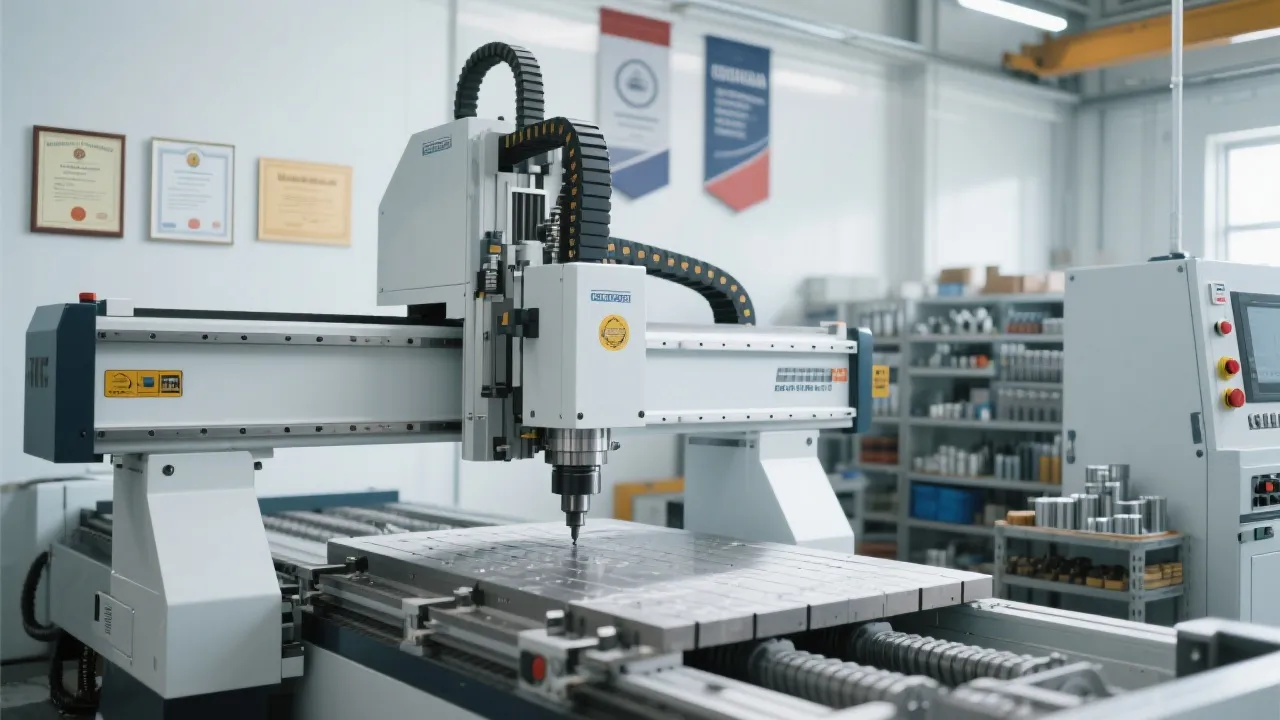
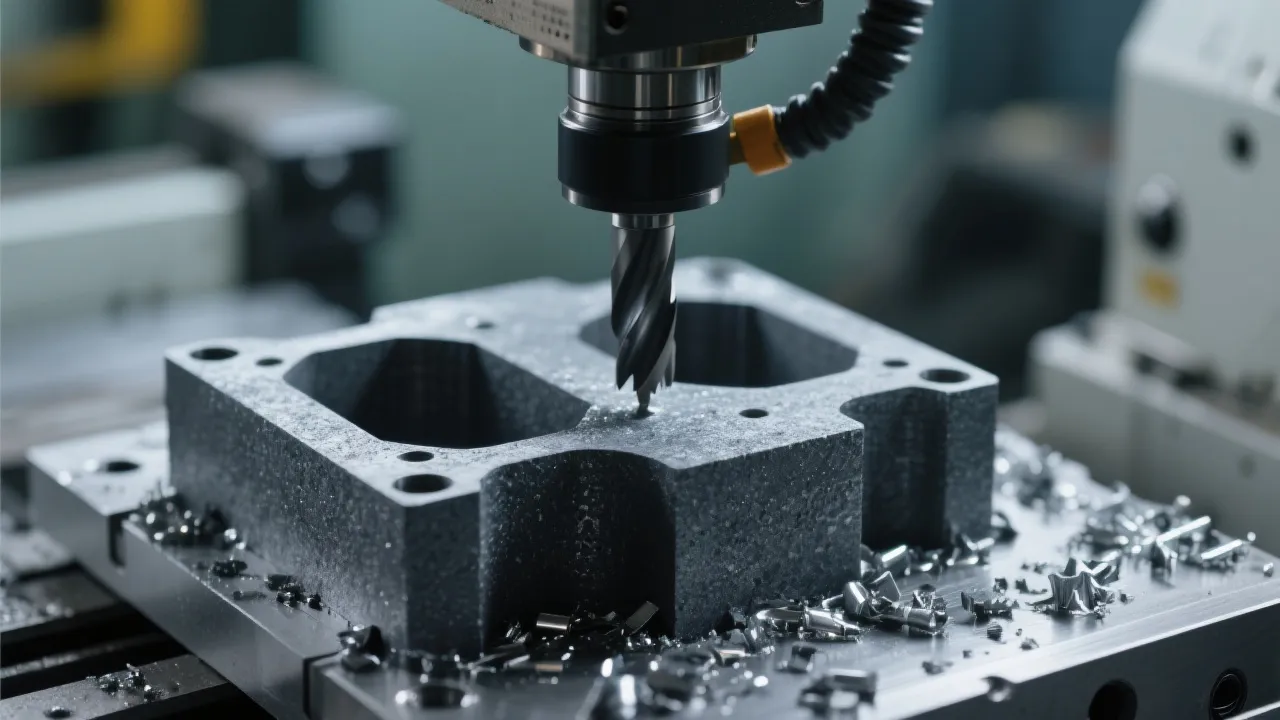
A CNC engraving and milling machine can only perform efficiently when its core components work together smoothly. Structural rigidity supports accuracy during cutting, while control responsiveness affects how quickly the machine can react to complex toolpaths. Spindle performance influences cutting stability, and tool change efficiency helps reduce idle time between operations.
For manufacturing users, this means efficiency should be evaluated as a complete production capability, not as one isolated feature. A well-matched machine structure and process flow can help reduce unnecessary handling, shorten production cycles, and improve consistency across repeated jobs.
| Factor | What It Affects | Why It Matters |
|---|---|---|
| Machine structure | Rigidity, accuracy retention, vibration control | A stable structure supports consistent cutting and helps maintain machining quality during continuous operation. |
| Control system | Motion response, path execution, programming efficiency | Efficient control reduces delays in execution and supports smoother coordination across machining tasks. |
| Spindle performance | Cutting stability, surface processing, tool effectiveness | The spindle is central to cutting results and influences whether the machine can maintain productive output under workload. |
| Tool change efficiency | Non-cutting time, operation continuity, workflow speed | Reducing tool change time helps shorten idle intervals and improve overall equipment utilization. |
| Process optimization | Operation sequence, setup logic, production flow | A clear process plan can improve repeatability and help teams make better use of machine capability. |
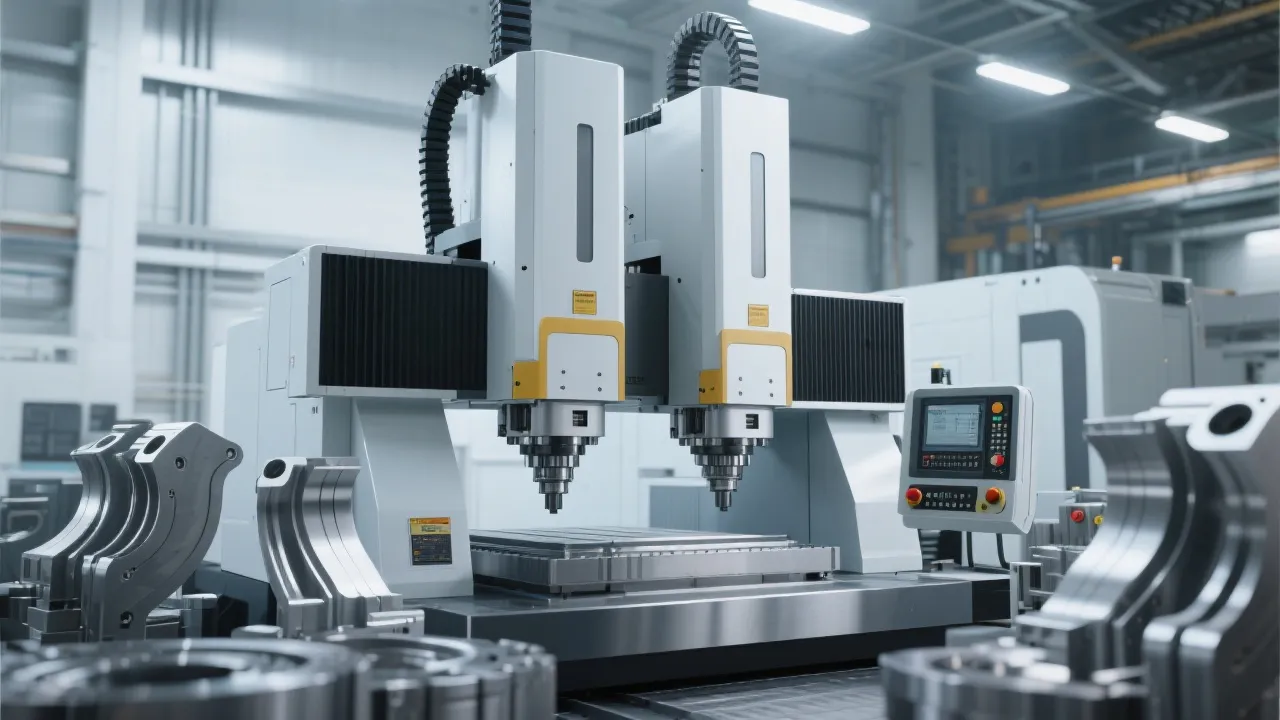
Ningbo Kaibo CNC Machinery has long focused on the development and manufacturing of 3-axis, 4-axis, and 5-axis vertical machining centers, CNC engraving and milling machines, and customized CNC machine tools. With its experience in research, manufacturing, and marketing, the company builds machine solutions around practical production needs rather than isolated specifications.
As the drafter of the national standard for CNC engraving and milling machines, Kaibo CNC maintains a clear technical understanding of machine performance, application requirements, and industry expectations. This background supports its emphasis on product consistency, process reliability, and service readiness.
The company’s manufacturing base, staff resources, and domestic and overseas service network further support B2B customers who need dependable equipment and responsive after-sales coverage. For buyers in different markets, this combination of product capability and service structure is an important part of efficiency in real production environments.
This topic is especially relevant for manufacturers that want to improve machining efficiency through equipment selection and process planning. Whether the application involves precision engraving, milling, multi-axis machining, or customized CNC requirements, the key question is always the same: how can the machine support stable output with less waste of time and resources?
Ningbo Kaibo CNC Machinery focuses on CNC engraving and milling machines designed to improve machining efficiency through coordinated optimization of machine structure, control systems, spindle performance, tool changing, and processing workflow.
In CNC machining, efficiency is not simply about running faster. It is about making each part of the workflow work better together: a stronger structure, more responsive control, reliable spindle behavior, shorter tool change intervals, and a clearer process plan. With this approach, CNC engraving and milling machines can better support the production goals of industrial users in domestic and overseas markets.
 Ningbo Kaibo CNC Machinery Co., Ltd.
CNC engraving and milling machine
machine tool selection
machining center
application scenarios
High-speed metal CNC milling machine
CNC milling machine aerospace application
Double-column vertical machining center
Complex structural parts processing
Material removal rate improvement
Kaibo CNC
3-axis machining center
4-axis machining center
5-axis machining center
selection guide
high precision CNC milling machine
GJ8070
mold processing equipment
high-speed vertical machining center
CNC machine tool efficiency improvement
Ningbo Kaibo CNC Machinery
high-quality CNC machine tools
manufacturing competitiveness
yield improvement
equipment upgrade
Ningbo Kaibo CNC Machinery Co., Ltd.
CNC engraving and milling machine
machine tool selection
machining center
application scenarios
High-speed metal CNC milling machine
CNC milling machine aerospace application
Double-column vertical machining center
Complex structural parts processing
Material removal rate improvement
Kaibo CNC
3-axis machining center
4-axis machining center
5-axis machining center
selection guide
high precision CNC milling machine
GJ8070
mold processing equipment
high-speed vertical machining center
CNC machine tool efficiency improvement
Ningbo Kaibo CNC Machinery
high-quality CNC machine tools
manufacturing competitiveness
yield improvement
equipment upgrade




.png?x-oss-process=image/resize,h_100,m_lfit/format,webp)
.png?x-oss-process=image/resize,h_100,m_lfit/format,webp)
.png?x-oss-process=image/resize,h_100,m_lfit/format,webp)