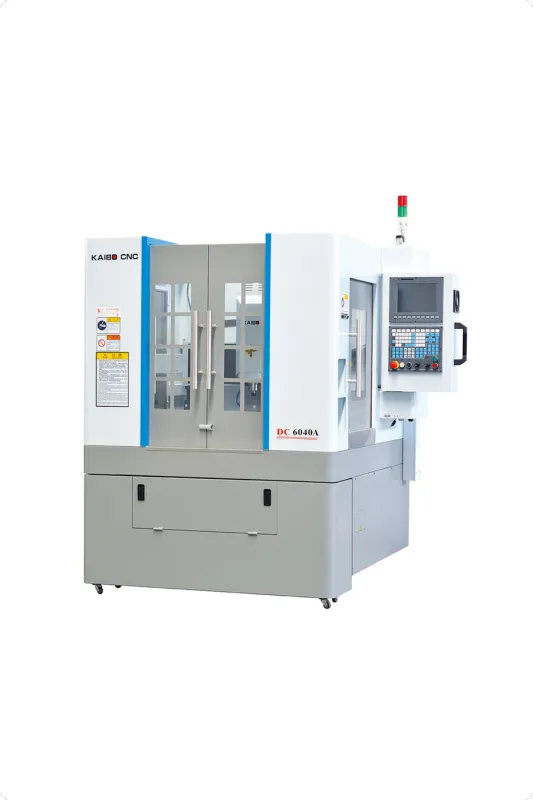
Selecting a CNC machine is a production decision, not simply a comparison of machine size or axis count. The right configuration should match the material being machined, workpiece dimensions, geometric complexity, accuracy expectations, production volume and service requirements. For manufacturers evaluating a vertical machining center, CNC engraving milling machine or customized CNC machine, a structured assessment helps turn technical requirements into a practical investment decision.
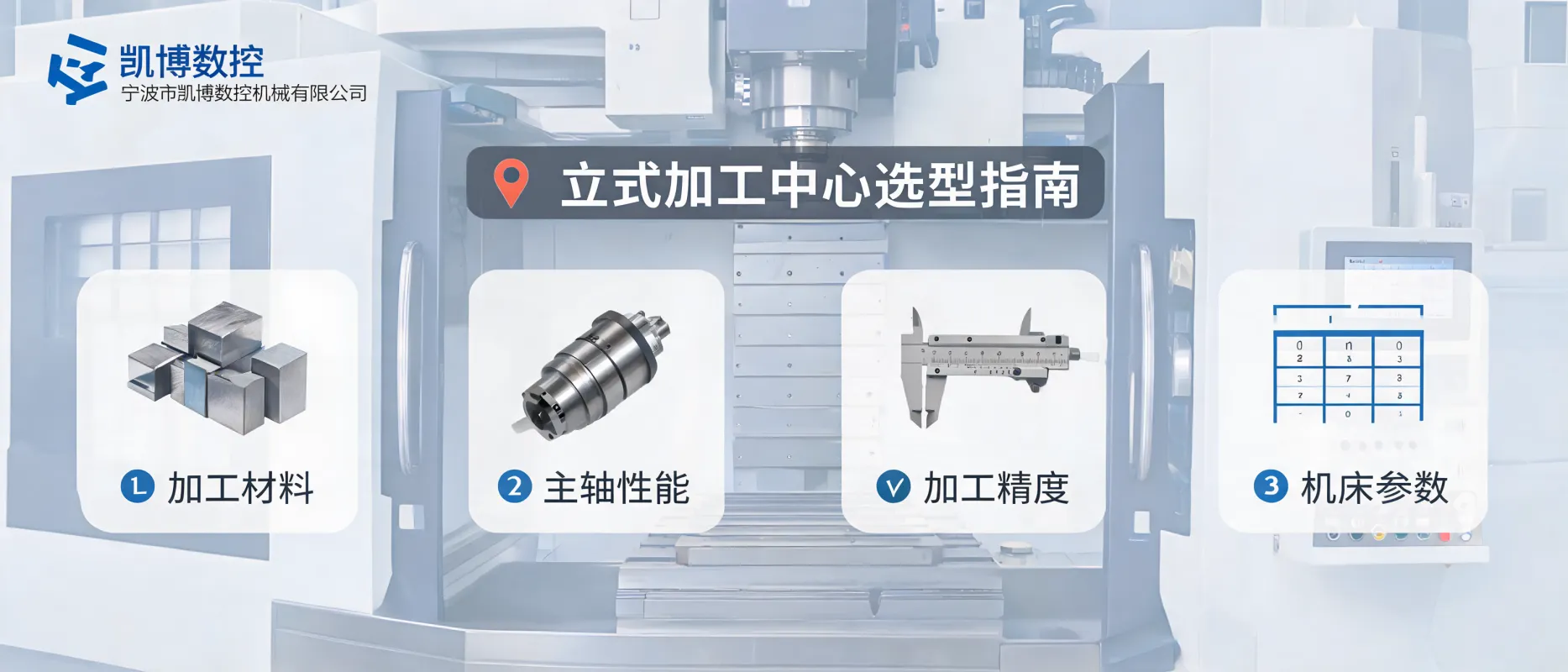
A CNC machine should be selected around the parts it needs to produce consistently. Before comparing models or optional features, define the workpiece and the required machining result. This creates a clear baseline for choosing travel ranges, spindle capability, axis configuration and supporting equipment.
Identify the materials to be machined, such as metal or other engineering materials. Material characteristics influence cutting load, tool selection, spindle requirements and the appropriate machine structure.
Consider flat surfaces, cavities, deep features, contours, angled faces and multi-sided details. Complex geometry may require improved tool access or coordinated multi-axis movement.
Clarify whether the application involves prototypes, varied small batches, repeat production or a dedicated process. Production rhythm affects automation, tool capacity and operating configuration.
Workpiece dimensions are fundamental to CNC machine selection. The machine table, X/Y/Z travels, spindle-to-table distance and available fixture space should accommodate not only the part itself, but also the workholding, tools and safe machining clearance. A machine that appears adequate based only on nominal part dimensions may leave insufficient space for clamping or tool movement.
Axis configuration determines how a cutting tool approaches the workpiece and how many surfaces can be reached in a setup. More axes can expand machining flexibility, but the most suitable choice depends on the actual part features, setup strategy and process complexity.
| Configuration | Typical Selection Logic | Key Evaluation Point |
|---|---|---|
| 3-axis vertical machining center | Suitable where machining is primarily performed from the top and along standard X, Y and Z directions. | Review whether all required features can be reached with practical fixture changes. |
| 4-axis vertical machining center | Consider when indexed or rotary positioning supports machining around multiple sides of a workpiece. | Assess rotary-axis capacity, fixture arrangement and the intended use of indexing or continuous motion. |
| 5-axis vertical machining center | Appropriate for parts with complex surfaces, angled features or demanding tool-access requirements. | Confirm the machine kinematics, programming approach, collision-management needs and expected process benefit. |
Axis count should support the machining process rather than serve as an isolated specification. A well-matched configuration can help reduce unnecessary repositioning while maintaining a process that is practical for the production team.
Spindle performance, machine rigidity and precision requirements are interconnected. The spindle must suit the material, tooling and cutting strategy, while the machine structure should provide stable support for the intended machining tasks. Precision requirements should be defined in relation to the part drawing, critical features and inspection method.
Practical consideration: spindle speed alone does not determine machining suitability. Review the complete operating requirement, including the workpiece material, tool diameter, cutting conditions, expected finish, torque needs and cycle-time target.
For accuracy-sensitive work, define the tolerances that matter most and discuss them together with the machine configuration, process conditions, tooling and workholding approach.
A CNC engraving milling machine can be a relevant option when applications emphasize detailed contours, fine features, engraving operations or precision milling tasks. The selection should still be based on the actual material, part size, tooling and required processing stability. Comparing this machine type with a vertical machining center helps clarify whether the priority is fine-detail capability, broader machining capacity or a combination of processes.
When reviewing CNC engraving milling machine configurations, pay close attention to the travel range, spindle characteristics, tool compatibility, control functions and the way the machine fits into the existing production workflow.
The base machine is only one part of the selection. A useful CNC machine configuration considers the complete operating environment, from programming and tool management to workholding and after-sales service. The goal is a solution that fits the current application while remaining aligned with foreseeable business requirements.
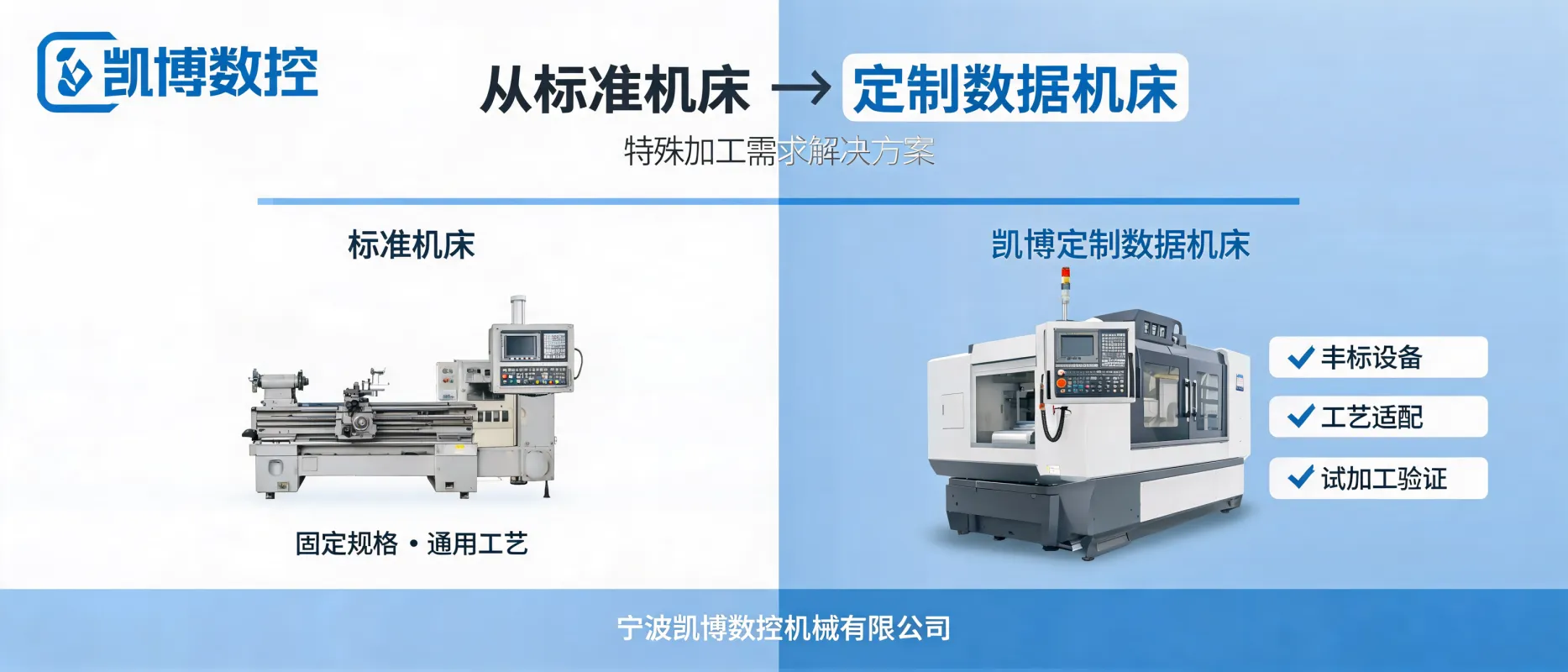
Standard CNC machines are often suitable for established machining tasks. A customized CNC machine may be worth discussing when the workpiece, fixture, process sequence or production environment has requirements that are not fully addressed by a standard configuration.
For B2B manufacturing operations, machine selection extends beyond technical specifications. Clear technical communication, dependable service planning and access to support are important throughout installation, operation and long-term use. This is especially relevant for overseas buyers coordinating equipment selection across locations and time zones.
Ningbo Kaibo CNC Machinery Co., Ltd. develops and manufactures 3-axis, 4-axis and 5-axis vertical machining centers, CNC engraving milling machines and customized CNC machine solutions. With sales and service offices in domestic and overseas markets, Kaibo CNC works with customers to assess machining requirements and identify configurations that suit their materials, parts and production objectives.
A productive CNC machine choice begins with a clear understanding of the part, process and operating environment. Bringing these factors together makes it easier to compare machine types and select a configuration with purpose.
 Ningbo Kaibo CNC Machinery Co., Ltd.
CNC engraving and milling machine procurement
machine tool supplier evaluation
machining capability matching
after-sales service
Ningbo Kaibo CNC Machinery Co., Ltd.
CNC machine procurement
requirement confirmation
technical solution matching
machine acceptance
Ningbo Kaibo CNC Machinery Co., Ltd.
overseas delivery
CNC engraving and milling machine case study
machining precision
service system
Ningbo Kaibo CNC Machinery Co., Ltd.
CNC engraving and milling machine procurement
machine tool price
equipment configuration
overseas after-sales service
supplier evaluation
Ningbo Kaibo CNC Machinery
CNC engraving and milling machine
machining capabilities
application scenarios
precision machining
Ningbo Kaibo CNC Machinery Co., Ltd.
CNC engraving and milling machine procurement
machine tool supplier evaluation
machining capability matching
after-sales service
Ningbo Kaibo CNC Machinery Co., Ltd.
CNC machine procurement
requirement confirmation
technical solution matching
machine acceptance
Ningbo Kaibo CNC Machinery Co., Ltd.
overseas delivery
CNC engraving and milling machine case study
machining precision
service system
Ningbo Kaibo CNC Machinery Co., Ltd.
CNC engraving and milling machine procurement
machine tool price
equipment configuration
overseas after-sales service
supplier evaluation
Ningbo Kaibo CNC Machinery
CNC engraving and milling machine
machining capabilities
application scenarios
precision machining



.png?x-oss-process=image/resize,h_100,m_lfit/format,webp)
.png?x-oss-process=image/resize,h_100,m_lfit/format,webp)
.png?x-oss-process=image/resize,h_100,m_lfit/format,webp)