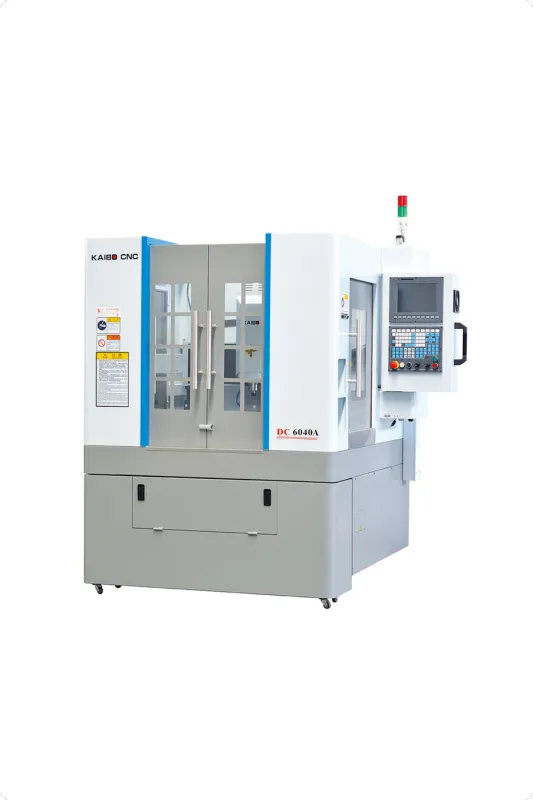
When it comes to precision manufacturing, stainless steel remains one of the most challenging materials to machine—especially for international buyers sourcing from China. According to a 2023 survey by Machine Design Magazine, over 72% of global CNC machining clients report recurring issues such as poor surface finish, tool wear, and low productivity when working with stainless steel. These pain points aren’t just technical—they directly impact profit margins, delivery timelines, and customer satisfaction.
“We used to lose 15% of our orders because of inconsistent finishes on 304L stainless steel components.” – Maria Lopez, Procurement Manager at a German medical device OEM
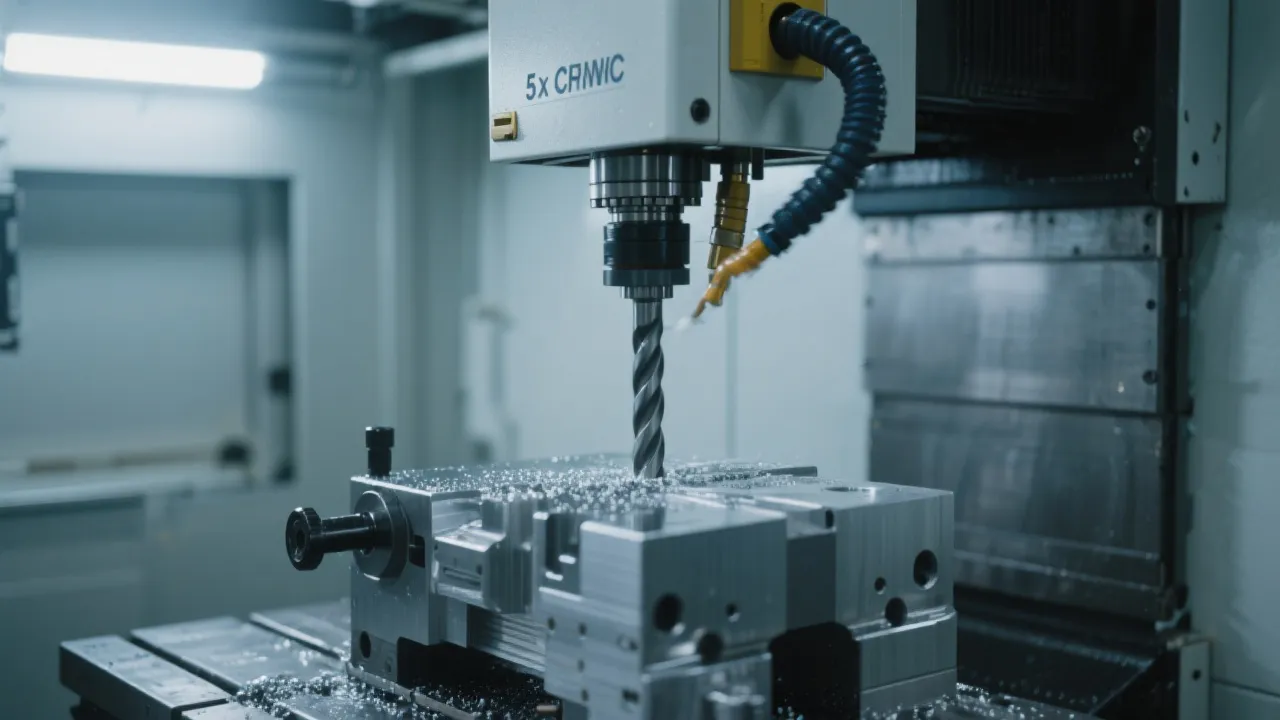
The GJ1417 high-precision CNC milling machine was engineered specifically to solve these problems—not through incremental improvements, but by rethinking the entire machining process. Here’s how:
These aren’t theoretical advantages. In a recent case study with a U.S.-based automotive supplier, switching to GJ1417 reduced scrap rates from 8% to under 1.5% and increased output per shift by 22%. That’s not just better performance—it’s measurable ROI.
While many competitors offer similar specs on paper, GJ1417 delivers real-world results backed by data:
| Feature | GJ1417 | Standard Competitor |
|---|---|---|
| Max Surface Finish (Ra) | ≤1.2 μm | ≥2.5 μm |
| Avg. Tool Life | 8–10 hrs | 4–6 hrs |
| Cycle Time Reduction | +18% | No improvement |
If you’re serious about producing high-quality stainless steel parts consistently—whether for medical devices, automotive, or industrial machinery—the GJ1417 isn't just an upgrade. It’s a strategic investment in reliability, efficiency, and scalability.
Get a free customized solution proposal tailored to your production volume, material type, and target market needs.
Download GJ1417 Technical Brochure & Case Studies Fanuc CNC Machines
Heavy CNC Machine Benefits
Modern Manufacturing Technologies
DC6060A CNC milling machine
CNC milling precision
machine rigidity
small vertical milling machine
production stability
CNC milling machines
CNC technology
manufacturing innovation
CNC milling machine
mold manufacturing
DC6060A
BT40 Spindle Hub CNC Milling Machine DC1090A
Dual-Column CNC Milling Machine
Product Engraving Mold Processing CNC Milling Machine
Fanuc CNC Machines
Heavy CNC Machine Benefits
Modern Manufacturing Technologies
DC6060A CNC milling machine
CNC milling precision
machine rigidity
small vertical milling machine
production stability
CNC milling machines
CNC technology
manufacturing innovation
CNC milling machine
mold manufacturing
DC6060A
BT40 Spindle Hub CNC Milling Machine DC1090A
Dual-Column CNC Milling Machine
Product Engraving Mold Processing CNC Milling Machine





.png?x-oss-process=image/resize,h_100,m_lfit/format,webp)
.png?x-oss-process=image/resize,h_100,m_lfit/format,webp)
.png?x-oss-process=image/resize,h_100,m_lfit/format,webp)